
.jpeg)
What are the possible side effects of using selinesol?
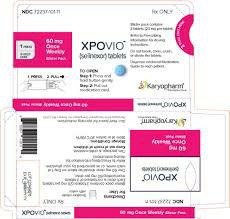
Selinexor A selective nuclear export inhibitor (SINE) blocks the transport of tumor suppressor proteins (TSGs) from the nucleus to the cytoplasm by inhibiting the function of the XPO1 protein, thereby inducing cancer cell apoptosis. Although the drug has shown some efficacy in treating relapsed or refractory multiple myeloma (MM) and diffuse large B-cell lymphoma (DLBCL), it may also cause a series of side effects.
The most common adverse reaction is hematological toxicity, of which thrombocytopenia (≥50% of patients) is the most significant manifestation, which may lead to an increased risk of bleeding. Some patients may also develop neutropenia and anemia, which may lead to an increased risk of infection and increased fatigue. Therefore, blood cell counts need to be closely monitored and, if necessary, supportive care, such as blood transfusions or the use of granulocyte stimulating factor (G-CSF), is required.
Gastrointestinal adverse reactions are also common problems during the use of selinesol, including nausea, vomiting, diarrhea and decreased appetite. In particular, nausea and vomiting may affect the patient's quality of life, so it is recommended to use this drug together with antiemetics (such as5-HT3 receptor antagonists) to reduce symptoms. In addition, long-term diarrhea may lead to dehydration and electrolyte imbalance, so it is necessary to maintain adequate fluid intake and use anti-diarrhoeal drugs when necessary.
Fatigue and weight loss were more common in patients treated with selinesol and may be related to the disease itself, the drug's mechanism of action, and decreased appetite. Patients may experience extreme fatigue, which may affect daily activities and quality of life. Therefore, it is recommended that patients maintain appropriate nutritional intake during treatment and engage in moderate physical activity under the guidance of a doctor to relieve fatigue symptoms.
Hyponatremia is another adverse reaction that requires concern. Some patients may develop hyponatremia due to disturbances in fluid and electrolyte balance, which may lead to dizziness, confusion, and even seizures. Therefore, patients should regularly monitor serum electrolyte levels during treatment and undergo sodium supplementation if necessary.
Reference materials:https://www.selincro.com/
[ 免责声明 ] 本页面内容来自公开渠道(如FDA官网、Drugs官网、原研药厂官网等),仅供持有医疗专业资质的人员用于医学药学研究参考,不构成任何治疗建议或药品推荐。所涉药品可能未在中国大陆获批上市,不适用于中国境内销售和使用。如需治疗,请咨询正规医疗机构。本站不提供药品销售或代购服务。


