
.jpeg)
What are the detailed instructions for regorafenib?
1. Overview of drugs
Regorafenib is an oral small molecule multi-target tyrosine kinase inhibitor ( TKI) with the trade name Stivarga, developed by Bayer. Its main function is to inhibit multiple kinase signaling pathways such as VEGFR, PDGFR, KIT, RET, etc., thereby preventing tumor growth and angiogenesis. It is widely used to treat malignant tumors such as advanced colorectal cancer (mCRC), gastrointestinal stromal tumor (GIST) and hepatocellular carcinoma (HCC).
2. Indications
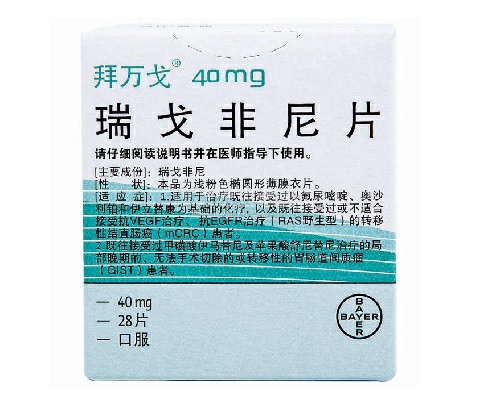
1. Metastatic colorectal cancer (mCRC): Applicable to mCRC patients who have previously received chemotherapy based on fluorouracil, oxaliplatin, and irinotecan, and have received or are not suitable for anti-VEGF and anti-EGFR treatment (applicable to RAS wild-type).
2. Gastrointestinal stromal tumor (GIST): It is suitable for patients with locally advanced, unresectable or metastatic GIST, and these patients have been treated with imatinib mesylate and sunitinib malate but were ineffective or intolerable.
3. Hepatocellular carcinoma (HCC): Applicable to patients with hepatocellular carcinoma who have previously received sorafenib treatment. Regorafenib can be used as a second-line treatment drug.
3. Usage and dosage
1. Recommended dosage: 160 mg once a day (i.e. 4 40 mg tablets), taken at the same time every day.
2. Taking period: Each course of treatment is 28 days, of which regorafenib is taken daily for the first 21 days and stopped for the last 7 days.
3. How to take: It is recommended to take it with a low-fat meal (fat content ≤ 30%). Swallow the tablet whole, do not chew or crush it, and take it with enough water.
4. Treatment duration: until disease progression or intolerable toxic reactions occur.
5. Dose adjustment: If serious adverse reactions occur, the dose can be adjusted according to the doctor's advice, such as reducing it to 120 mg or 80 mg, or even temporarily discontinuing the drug.
4. Pharmacological effects
Regofenib is a multi-target tyrosine kinase inhibitor (TKI) that achieves anti-tumor effects by inhibiting key enzymes related to tumor growth signaling pathways and tumor angiogenesis. Its main targets include:
VEGFR1/2/3 (vascular endothelial growth factor receptor): Inhibits the formation of new blood vessels in tumors, reduces blood supply to tumors, and inhibits growth.
PDGFR (platelet-derived growth factor receptor): Interferes with tumor cell proliferation and survival.
KIT (Stem Cell Factor Receptor): A key oncogenic target in gastrointestinal stromal tumors (GIST).
RET (receptor tyrosine kinase): Influences the growth of certain tumors, including thyroid cancer.
5. Adverse reactions and management
Common side effects of regorafenib include:
Skin toxicity (hand-foot skin reaction); skin redness, swelling, peeling, and pain on the palms and soles of the feet may occur;
Gastrointestinal reactions (nausea, vomiting, diarrhea, decreased appetite): may lead to malnutrition and affect quality of life.
Abnormal liver function (elevated transaminases, elevated bilirubin): jaundice and liver function damage may occur.
Hypertension: Some patients may experience an increase in blood pressure during medication.
Bleeding tendency: Regorafenib may increase the risk of bleeding, including nose bleeding, gastrointestinal bleeding, etc.
fatigue, weakness
6. Storage and precautions
Storage conditions: Dry environment below 25°C, avoid direct sunlight.
Packaging specifications: 40mg/tablet, 28 tablets/box.
Notes: During the medication period, blood routine, liver function, blood pressure, etc. need to be monitored regularly to ensure medication safety.
Reference materials:https://www.stivarga-us.com/
[ 免责声明 ] 本页面内容来自公开渠道(如FDA官网、Drugs官网、原研药厂官网等),仅供持有医疗专业资质的人员用于医学药学研究参考,不构成任何治疗建议或药品推荐。所涉药品可能未在中国大陆获批上市,不适用于中国境内销售和使用。如需治疗,请咨询正规医疗机构。本站不提供药品销售或代购服务。


