
.jpeg)
Important information and precautions for use in the Ribociclib package insert
Ribociclib is a targeted drug mainly used to treat HR-positive and HER2-negative breast cancer. It is usually used in combination with tamoxifen or aromatase inhibitors. As a class of selective CDK4/6 inhibitors, ribociclib achieves anti-cancer effects by inhibiting the advancement of the cell cycle and preventing the division and proliferation of cancer cells. The following is several important aspects of information contained in its drug instructions, as well as matters that require special attention when using it.
1. Drug indications
Ribociclib is approved for the treatment of patients with breast cancer, especially patients with HR-positive, HER2-negative advanced or metastatic breast cancer, usually as a first-line treatment. It is recommended to be used in combination with other endocrine therapy drugs, such as tamoxifen, aromatase inhibitors, etc., to enhance the therapeutic effect. The drug may also be used in some patients who have already received other treatments to control the further progression of cancer.
2. Usage and dosage
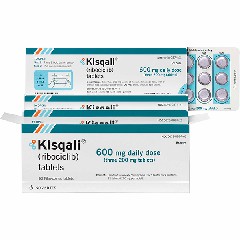
The usual dose of ribociclib is once daily, usually in combination with tamoxifen or an aromatase inhibitor. The recommended starting dose for adults is 600mg, taken orally once a day at the same time. Based on the patient's clinical response, the physician may adjust the dose. Ribociclib should not be taken with food and is recommended on an empty stomach to maximize absorption. Dosage adjustments may be necessary in patients with hepatic impairment.
3. Contraindications and Precautions
While using ribociclib, patients should inform their doctor if they:
Hepatic Function Problems: Ribociclib should be used with caution in patients with impaired hepatic function because the metabolism of this drug is dependent on the liver.
Serious allergic reaction: This medication should not be used if a patient is allergic to ribociclib or any component of the medication.
Heart disease: Ribociclib may have effects on the heart, so patients with heart disease (e.g., QT prolongation, history of heart disease, etc.) need to use it with special caution and have regular electrocardiograms.
4. Common side effects
The side effects of ribociclib include but are not limited to leukopenia, anemia, nausea, vomiting, diarrhea, loss of appetite, etc. Clinical studies have found that ribociclib may cause patients' white blood cell counts to drop, meaning they may be more susceptible to infections. Therefore, during treatment, patients need to undergo routine blood tests regularly. In addition, ribociclib may cause prolongation of the QT interval, so regular electrocardiograms are needed, especially in patients with heart disease. Serious adverse reactions include pneumonia, abnormal liver function, etc. Patients should communicate with their doctors in a timely manner. If serious side effects occur, they should consider adjusting the treatment plan.
5. Drug Interactions
Ribociclib may interact with other medications, affecting their efficacy or increasing the risk of side effects. For example, when ribociclib is used with certain drugs, the drug concentration may be too high or too low, affecting its efficacy or causing toxic reactions. Especially when used in combination with CYP3A4 inhibitors, inducers and other drugs, it may affect the metabolism of ribociclib and lead to changes in blood concentration. Therefore, before using ribociclib, patients should inform their doctors in detail about all medications they are taking, including prescription drugs, over-the-counter drugs, and herbal medicines.
6. Pregnant and lactating women should use caution
The safety of ribociclib in pregnant women has not been well studied, so pregnant women should not use this drug. If pregnant, patients should inform their doctor immediately and consider stopping the medication or finding other treatment options. In addition, ribociclib may be excreted in breast milk, so caution should be considered when using this drug in nursing mothers and discontinuation if necessary.
Ribociclib, as a targeted drug, has significant efficacy in the treatment of HR-positive and HER2-negative breast cancer. However, patients need to strictly follow the doctor's instructions when using this drug and undergo relevant examinations regularly to avoid the occurrence of adverse reactions. Especially patients with heart disease and liver insufficiency should use this drug under close supervision by a doctor.
Reference materials:https://us.kisqali.com/
[ 免责声明 ] 本页面内容来自公开渠道(如FDA官网、Drugs官网、原研药厂官网等),仅供持有医疗专业资质的人员用于医学药学研究参考,不构成任何治疗建议或药品推荐。所涉药品可能未在中国大陆获批上市,不适用于中国境内销售和使用。如需治疗,请咨询正规医疗机构。本站不提供药品销售或代购服务。


