
.jpeg)
How is linezolid used? How should patients take it correctly to get the best therapeutic effect?
Linezolid (Linezolid) is an antibiotic that is mainly used to treat various infections caused by Gram-positive bacteria, especially infections that are resistant to conventional antibiotics, such as methicillin-resistant Staphylococcus aureus (MRSA) and vancomycin-resistant enterococci (VRE). It works by inhibiting bacterial protein synthesis and is therefore widely used to treat conditions such as pneumonia, skin infections, and sepsis. The correct method of use is crucial to the therapeutic effect, and patients need to use it rationally according to the doctor's advice and drug instructions.
How to use
Linezolid is usually given by mouth or intravenously. For oral use, common dosage forms are 100 mg and 600 mg tablets or liquids, with adults typically starting with 600 mg twice daily. The specific dosage will be adjusted based on the patient's condition, weight, age and other health conditions. For patients with renal insufficiency, the dose of linezolid needs to be adjusted according to renal function, so relevant tests need to be performed before use.
For patients receiving intravenous administration, doses of 500mg to 600mg are usually used, injected every 12 hours. Injectable dosage forms are often used for patients who cannot take oral medications, such as those with severe infections or poor gastrointestinal function. The duration of treatment usually depends on the type of infection and the patient's clinical response, usually ranging from 7 to 14 days. For patients who use it for a long time, doctors will decide whether the dosage needs to be adjusted based on their condition and drug response.
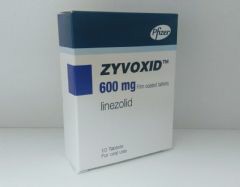
Take it correctly
To ensure the best results from linezolid, patients should take the medication exactly as directed by their doctor. For oral dosage forms of linezolid, patients should swallow the tablets whole rather than chew or crush the tablets, as this can affect drug release and absorption. Patients can take the medication before or after a meal, but if gastrointestinal discomfort occurs, it is recommended to take it after a meal to reduce adverse reactions.
Patients receiving intravenous injections should have their drugs injected by professional medical personnel to avoid drug misuse and adverse reactions. When injecting intravenously, you must ensure that the drug is injected slowly to avoid discomfort or overdose caused by rapid injection.
Things to note
1.Dose Adjustment: The dose of linezolid may need to be adjusted based on the patient's specific condition. For patients with severe liver and kidney disease, caution is required when using linezolid to avoid accumulation of the drug in the body, leading to adverse reactions. For patients with liver and kidney dysfunction, doctors may adjust the dose or treatment cycle based on the specific situation.
2.Drug monitoring: During the use of linezolid, patients should receive routine blood tests regularly. Because linezolid may cause abnormalities in blood components such as platelets, red blood cells, and white blood cells, long-term use may cause anemia or leukopenia.
3. Side effect prevention: Linezolid may cause gastrointestinal discomfort, such as nausea, vomiting, diarrhea, etc. To reduce gastrointestinal reactions, patients should try to take medication after meals. If the symptoms of gastrointestinal discomfort are severe, you should communicate with your doctor in time.
4.Drug interactions: Linezolid may interact with certain drugs, such as monoamine oxidase inhibitors (MAOI) or some antidepressants. Patients should inform their doctors about all medications they are taking to avoid adverse drug interactions.
Linezolid is a powerful antibiotic that treats serious infections caused by drug-resistant bacteria. However, patients need to strictly follow the doctor's instructions when using it and regularly monitor their health conditions, especially changes in liver, kidney function and blood system. By using linezolid correctly, infection can be effectively controlled and treatment effectiveness improved while avoiding potential side effects.
Reference materials:https://go.drugbank.com/drugs/DB00601
[ 免责声明 ] 本页面内容来自公开渠道(如FDA官网、Drugs官网、原研药厂官网等),仅供持有医疗专业资质的人员用于医学药学研究参考,不构成任何治疗建议或药品推荐。所涉药品可能未在中国大陆获批上市,不适用于中国境内销售和使用。如需治疗,请咨询正规医疗机构。本站不提供药品销售或代购服务。


