
.jpeg)
What are the common side effects of tofacitinib? How to reduce the occurrence of adverse reactions and ensure treatment effectiveness?
1. Introduction to tofacitinib
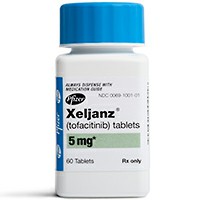
Tofacitinib is a Januskinase (JAK) inhibitor, mainly used to treat rheumatoid arthritis (JAK span>RA), psoriatic arthritis (PsA) and ulcerative colitis (UC) and other immune-related diseases. It relieves symptoms by inhibiting the JAK signaling pathway and reducing the release of inflammatory factors. However, due to its immunomodulatory effect, tofacitinib may cause a series of side effects that affect patients' health.
2. Common side effects of tofacitinib
1.Increased risk of infection
Tofacitinib suppresses the immune system and may increase the risk of bacterial, viral, and fungal infections, the most common of which are upper respiratory tract infections, urinary tract infections, and herpes zoster.
Although serious infections (such as pneumonia, sepsis) are rare, they still need to be vigilant, especially in the elderly or patients with chronic diseases.
2.Thrombus and cardiovascular events
Use of tofacitinib may increase the risk of venous thromboembolism (VTE), deep vein thrombosis (DVT), and pulmonary embolism (PE), especially in patients treated with high doses or with risk factors for cardiovascular disease.
Some patients may develop high blood pressure, heart attack, or stroke, and their cardiovascular health will need to be monitored during treatment.
3.Abnormalities in the blood system
Tofacitinib may cause abnormalities in white blood cell, red blood cell, and platelet counts, leading to anemia or an increased risk of infection.
During long-term treatment, it is recommended to conduct routine blood tests regularly to monitor changes in blood parameters.
4.Abnormal liver function
Some patients may experience elevated liver enzymes (ALT, AST) after taking tofacitinib, which may affect liver health.
Patients with hepatitis B or C virus infection need to be particularly careful when using this drug, and regular testing of liver function is recommended.
5.Gastrointestinal discomfort
Some patients may experience gastrointestinal symptoms such as nausea, vomiting, abdominal pain, diarrhea, or indigestion.
These symptoms are usually mild, but if they last longer or worsen, you should talk to your doctor about whether you need to adjust your dose or stop the medication.
6.Elevated cholesterol and metabolic problems
Tofacitinib may increase cholesterol levels (LDL, HDL), increasing the risk of cardiovascular disease.
Patients should regularly check their blood lipid levels and make dietary adjustments or take lipid-lowering drugs under the guidance of a doctor.
7.Cancer risk
Long-term use of tofacitinib may increase the risk of**malignant tumors (such as lymphoma, skin cancer)**.
There are no firm conclusions yet, but patients should be aware of abnormal skin changes and undergo regular cancer screenings.
3. How to reduce adverse reactions and ensure treatment effects
1.Regular inspections to detect risks early
Routine blood count: Monitor white blood cell, red blood cell and platelet levels to avoid anemia or reduced immunity.
Liver function and kidney function testing: Ensure normal liver and kidney function to avoid drug accumulation leading to toxicity.
Blood lipid monitoring: Check cholesterol levels regularly and adjust your diet or medication if there is an increase.
2.Pay attention to infection prevention
Maintain good hygiene habits: wash hands frequently and avoid crowded places to prevent virus infection.
Vaccination: Before using tofacitinib, you can receive influenza vaccine, pneumonia vaccine, and herpes zoster vaccine to reduce the risk of infection.
When symptoms of infection (such as fever, cough, urinary tract infection) occur, you should seek medical attention as soon as possible to avoid worsening of the condition.
3.Reduce the risk of blood clots
Avoid sitting for long periods of time: move regularly to prevent thrombosis in the lower limbs.
Control weight and blood lipids: Reduce the risk of cardiovascular disease.
If you have a history of thrombosis or cardiovascular disease, the risks of tofacitinib use should be evaluated under the guidance of a physician.
4.Healthy lifestyle
Eat a reasonable diet: Reduce the intake of high-fat and high-sugar foods and maintain a balanced diet.
Moderate exercise: Enhance physical fitness and improve immunity.
Quit smoking and drinking: Reduce the risk of cardiovascular disease and liver damage.
Tofacitinib is a potentJAK inhibitor with promising efficacy in the treatment of diseases such as rheumatoid arthritis, psoriatic arthritis and ulcerative colitis. However, due to its immunosuppressive effect and metabolic effects, it may cause side effects such as infection, thrombosis, abnormal liver function, and elevated blood lipids. In order to reduce the risk of adverse reactions, patients should check their physical condition regularly, pay attention to infection prevention, maintain a healthy lifestyle, and use medications rationally under the guidance of a doctor. If severe discomfort occurs, you should seek medical treatment promptly and adjust the treatment plan to ensure curative effect and protect your health.
Reference materials:https://www.xeljanz.com/
[ 免责声明 ] 本页面内容来自公开渠道(如FDA官网、Drugs官网、原研药厂官网等),仅供持有医疗专业资质的人员用于医学药学研究参考,不构成任何治疗建议或药品推荐。所涉药品可能未在中国大陆获批上市,不适用于中国境内销售和使用。如需治疗,请咨询正规医疗机构。本站不提供药品销售或代购服务。


