
.jpeg)
What key information does the package insert for erlotinib contain? What should you pay attention to when using it?
1. Drug overview and indications
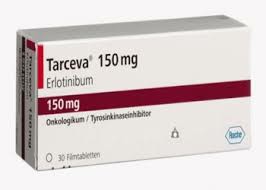
Erlotinib (Erlotinib) is a tyrosine kinase inhibitor (TKI), mainly used to treat non-small cell lung cancer (NSCLC) and pancreatic cancer. It inhibits the activity of epidermal growth factor receptor (EGFR) tyrosine kinase, blocking the proliferation signals of cancer cells, thereby inhibiting tumor growth. This drug is usually used for patients with EGFR gene mutation-positive NSCLC patients, especially those who have previously received chemotherapy but whose disease has progressed. In addition, erlotinib can also be used in combination with gemcitabine to treat locally advanced or metastatic pancreatic cancer.
2. Usage and dosage
The recommended dose of erlotinib varies by indication:
Non-small cell lung cancer (NSCLC): The usual recommended dose is 150mg, taken orally once a day on an empty stomach (at least 1 hours before a meal or 2 hours after a meal).
Pancreatic cancer (combined with gemcitabine): The recommended dose is100mg, once a day, also on an empty stomach.
Patients must take the medicine according to the doctor's instructions and are not allowed to increase or decrease the dose or interrupt treatment without authorization. If serious side effects occur (such as rash, diarrhea, abnormal liver function, etc.), your doctor may recommend adjusting the dose or temporarily discontinuing the drug.
3. Common adverse reactions
Common adverse reactions of erlotinib include:
Skin reaction: Most patients will experience rash, dry skin, itching or nail abnormalities, which may be related to drug inhibition of the EGFR signaling pathway. Skin problems are usually minor, and moisturizers, anti-inflammatory drugs can be used, or the dosage can be adjusted under the guidance of a doctor.
Gastrointestinal discomfort: Diarrhea, nausea, vomiting, and stomatitis are common. In severe cases, it may lead to dehydration and electrolyte imbalance. You need to replenish water in time and take antidiarrheal drugs when necessary.
Abnormal liver function: Erlotinib may cause an increase in liver enzymes (such as ALT, AST), so liver function needs to be checked regularly during treatment.
Interstitial lung disease (ILD): Although rare, it may cause shortness of breath, cough, fever and other symptoms. If similar situations occur, you should seek medical treatment immediately.
4. Contraindications and Medication for Special Populations
Contraindications: Use is prohibited in patients allergic to erlotinib or its components.
Pregnant and lactating women: Erlotinib may have adverse effects on the fetus or newborn. Pregnant women should avoid using it. Lactating women should stop breastfeeding when taking the drug.
Patients with hepatic and renal insufficiency: Patients with severe hepatic impairment or renal failure should use the drug with caution and closely monitor liver and renal function.
Smokers: Smoking will reduce the plasma concentration of erlotinib and affect its efficacy. Patients are advised to quit smoking during treatment.
5. Drug interactions
Erlotinib can interact with many drugs, affecting its efficacy or increasing the risk of side effects, including:
CYP3A4Inducers (such as rifampicin, phenytoin, carbamazepine): can reduce the plasma concentration of erlotinib and affect the therapeutic effect.
CYP3A4Inhibitors (such as ketoconazole, itraconazole, clarithromycin): may increase the plasma concentration of erlotinib and worsen side effects.
Proton pump inhibitors (such as omeprazole, esomeprazole): can reduce the absorption of erlotinib and should be avoided when used simultaneously.
Warfarin: may increase the risk of bleeding, and coagulation function needs to be closely monitored during medication.
6. Precautions for use
Regular monitoring: During treatment, liver function, kidney function, and blood routine should be checked regularly, and symptoms of lung discomfort should be paid attention to.
Skin care: Use mild skin care products and avoid exposure to the sun to reduce skin side effects.
Dietary adjustments: Avoid high-fat foods that may affect drug absorption, and ensure adequate fluid intake.
Quit smoking and drinking: Tobacco and alcohol may reduce the efficacy of the medicine or worsen side effects. Patients are advised to quit smoking and drinking.
In short, erlotinib is an effective targeted therapy, but it must be used strictly in compliance with medical advice and regular monitoring of physical condition to ensure efficacy and reduce the occurrence of side effects.
Reference materials:https://en.wikipedia.org/wiki/Erlotinib
[ 免责声明 ] 本页面内容来自公开渠道(如FDA官网、Drugs官网、原研药厂官网等),仅供持有医疗专业资质的人员用于医学药学研究参考,不构成任何治疗建议或药品推荐。所涉药品可能未在中国大陆获批上市,不适用于中国境内销售和使用。如需治疗,请咨询正规医疗机构。本站不提供药品销售或代购服务。


