
.jpeg)
How effective is rasagiline/alzilat in the treatment of Parkinson's disease?
Rasagiline is a monoamine oxidase type B (MAO-B) inhibitor that is widely used in the treatment of Parkinson's disease (PD). Its main mechanism of action is to improve the motor symptoms of Parkinson's disease by inhibiting the degradation of dopamine in the brain and prolonging the action time of dopamine. Since the pathogenesis of Parkinson's disease is closely related to the degenerative damage of dopamine neurons, rasagiline, as a neuroprotective drug, is also considered to have the potential to delay the progression of the disease.
Clinical studies have shown that rasagiline can effectively improve patients' motor function, delay the worsening of symptoms, and reduce symptoms such as bradykinesia, tremor, and myotonia when used as a monotherapy in the early stages of Parkinson's disease. In the middle and late stages of Parkinson's disease, rasagiline is usually used as an auxiliary treatment drug with levodopa to reduce motor fluctuations, such as end-of-dose deterioration (wearing-off). Studies have shown that compared with levodopa alone, combined treatment with rasagiline can prolong the "on-time" and reduce the "off-time", thereby improving patients' quality of life.
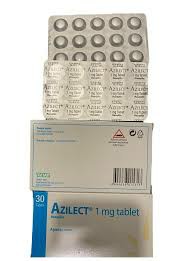
A pivotalTEMPO study showed that rasagiline monotherapy significantly improved UPDRS (Unified Parkinson's Disease Rating Scale) scores in patients with Parkinson's disease and was well tolerated. In addition, the ADAGIO study explored whether rasagiline has a disease-modifying effect. The results showed that although its primary endpoint was not fully achieved, it supported its possible neuroprotective effect to a certain extent. However, there is currently no conclusive evidence that rasagiline can alter the natural course of Parkinson's disease, so its main role remains focused on symptom control.
In terms of safety, rasagiline is generally well tolerated, with common adverse reactions including mild dizziness, hypotension, insomnia and gastrointestinal discomfort. Since its mechanism of action involves the inhibition of monoamine oxidase, it is necessary to avoid coadministration with certain antidepressants (such as SSRIs, SNRIs) to prevent the occurrence of serotonin syndrome. In addition, rasagiline and foods with high tyrosine content (such as aged cheese, red wine) will not produce the "cheese effect" similar to non-selective MAO inhibitors, so there are fewer dietary restrictions.
Reference materials:https://www.azilect.com/
[ 免责声明 ] 本页面内容来自公开渠道(如FDA官网、Drugs官网、原研药厂官网等),仅供持有医疗专业资质的人员用于医学药学研究参考,不构成任何治疗建议或药品推荐。所涉药品可能未在中国大陆获批上市,不适用于中国境内销售和使用。如需治疗,请咨询正规医疗机构。本站不提供药品销售或代购服务。


