
.jpeg)
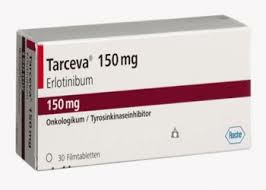
What are the effects and effects of erlotinib? How does it help cancer patients treat cancer?
Erlotinib is a tyrosine kinase inhibitor (TKI) mainly used to treat non-small cell lung cancer (NSCLC) and pancreatic cancer. It is a targeted drug that specifically targets tumor patients with epidermal growth factor receptor (EGFR) mutations. The drug can effectively inhibit the growth and spread of cancer cells, and in some cases prolong patients' survival and improve their quality of life.
EGFR-mutated non-small cell lung cancer (NSCLC): Suitable for patients with advanced or metastatic non-small cell lung cancer, especially first-line or second-line treatment options. Clinical data show that after taking erlotinib, the progression-free survival (PFS) of patients with EGFR mutations can be significantly prolonged, and the tumors of some patients can shrink or be stabilized.
Pancreatic cancer: Erlotinib can be used in combination with gemcitabine to treat patients with advanced pancreatic cancer. Although the efficacy is relatively limited, it can still improve the survival of some patients.
Erlotinib is an anti-cancer drug targeting EGFR. It is mainly used for non-small cell lung cancer with EGFR mutations and can be combined with other drugs to treat pancreatic cancer. Its mechanism of action is to prevent the growth of cancer cells and improve patient survival by inhibiting the EGFR signaling pathway. It is necessary to pay attention to genetic testing when using it to ensure that the patient's EGFR mutation status is suitable for this drug. In addition, side effects such as rash, diarrhea, and abnormal liver function may occur during the medication. Patients should receive treatment under the guidance of a doctor and follow up regularly to monitor their physical condition.
Reference: https://en.wikipedia.org/wiki/Erlotinib
Erlotinib exerts anti-tumor effects by inhibiting the EGFR signaling pathway. EGFR is a protein located on the cell membrane and is responsible for regulating cell growth and division. However, in some cancers, EGFR gene mutations can cause abnormal proliferation of cancer cells and promote tumor progression. Erlotinib can specifically bind to EGFR and inhibit its tyrosine kinase activity, thereby blocking the growth signals of cancer cells, inducing cell apoptosis, and inhibiting tumor progression.
EGFR-mutated non-small cell lung cancer (NSCLC): Suitable for patients with advanced or metastatic non-small cell lung cancer, especially first-line or second-line treatment options. Clinical data show that after taking erlotinib, the progression-free survival (PFS) of patients with EGFR mutations can be significantly prolonged, and the tumors of some patients can shrink or be stabilized.
Pancreatic cancer: Erlotinib can be used in combination with gemcitabine to treat patients with advanced pancreatic cancer. Although the efficacy is relatively limited, it can still improve the survival of some patients.
Erlotinib is an anti-cancer drug targeting EGFR. It is mainly used for non-small cell lung cancer with EGFR mutations and can be combined with other drugs to treat pancreatic cancer. Its mechanism of action is to prevent the growth of cancer cells and improve patient survival by inhibiting the EGFR signaling pathway. It is necessary to pay attention to genetic testing when using it to ensure that the patient's EGFR mutation status is suitable for this drug. In addition, side effects such as rash, diarrhea, and abnormal liver function may occur during the medication. Patients should receive treatment under the guidance of a doctor and follow up regularly to monitor their physical condition.
Reference: https://en.wikipedia.org/wiki/Erlotinib
[ 免责声明 ] 本页面内容来自公开渠道(如FDA官网、Drugs官网、原研药厂官网等),仅供持有医疗专业资质的人员用于医学药学研究参考,不构成任何治疗建议或药品推荐。所涉药品可能未在中国大陆获批上市,不适用于中国境内销售和使用。如需治疗,请咨询正规医疗机构。本站不提供药品销售或代购服务。


