
.jpeg)
What key information is included in the linezolid package insert? What should you pay special attention to when using it?
Linezolid (Linezolid) is an oxazolidinone antibiotic mainly used to treat serious infections caused by drug-resistant Gram-positive bacteria, including Methicillin-resistant Staphylococcus aureus (MRSA) infection, vancomycin-resistant enterococci (VRE) infection, hospital-acquired pneumonia and complex skin and soft tissue infections, etc. Due to its potent antibacterial effect and specific indications, the use of linezolid needs to strictly follow relevant guidance to avoid unnecessary drug resistance and serious side effects.
1. Key information in drug instructions
1.Indications
Infections caused by methicillin-resistant Staphylococcus aureus (MRSA), vancomycin-resistant enterococci (VRE), and gram-positive bacteria that are resistant to other antibiotics.
Hospital-acquired pneumonia (HAP) and community-acquired pneumonia (CAP).
Complicated skin and soft tissue infections (cSSTI), such as diabetic foot infections (without osteomyelitis).
Sepsis, meningitis (depending on the specific infection species).
2.Usage and dosage
Adults: Usually oral or intravenous infusion 600 mg every 12 hours, treatment course 10-14 days, some complicated infections may require a longer course of treatment.
Children: The dose needs to be adjusted according to body weight, usually daily 2 times, each time 10mg/kg.
Intravenous drip time: each infusion time At least 30-120 minutes to avoid adverse reactions caused by rapid infusion.
Oral dosage form (tablet or suspension): Can be taken with food or on an empty stomach without affecting absorption.
3.Pharmacokinetics
The oral bioavailability is close to 100%, and the effects of oral and intravenous administration are similar.
Widely distributed in lungs, skin, and soft tissues, suitable for lung and skin infections.
Mainly metabolized by the kidneys and liver, some metabolites are excreted in urine. Patients with renal insufficiency need to adjust the dose.
4.Common side effects
Myelosuppression (such as Thrombocytopenia, anemia, leukopenia).
Gastrointestinal discomfort (such as nausea, vomiting, diarrhea).
Adverse reactions to the central nervous system (such as Headache, dizziness, insomnia).
Lactic acidosis (rare but serious).
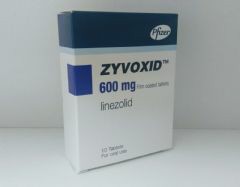
2. Precautions when using linezolid
1.Blood system monitoring: Be wary of thrombocytopenia
Linezolid may cause reversible myelosuppression, leading to thrombocytopenia, anemia and leukopenia, especially in patients whose treatment duration exceeds 2 weeks.
Monitoring frequency: It is recommended to conduct routine blood tests every week during use, especially for patients with underlying hematological diseases, long-term medication, or combination with other myelosuppressive drugs (such as chemotherapy drugs) .
Countermeasures: If thrombocytopenia (<50×10⁹/L) or anemia occurs, dose reduction or discontinuation should be considered, and platelet or red blood cell transfusion should be given if necessary.
2.Beware of lactic acidosis
Long-term use (>28 days) may cause damage to mitochondrial function and cause lactic acidosis, manifested by nausea, vomiting, fatigue, and shortness of breath.
Monitoring measures: If patients develop symptoms of metabolic acidosis, they should be tested Blood lactate level, if lactic acidosis is confirmed, the drug needs to be discontinued immediately.
3.Nervous system toxicity (peripheral neuropathy and optic neuritis)
Long-term medication (>4 weeks) can cause peripheral neuropathy (numbness and tingling in the hands and feet) or optic neuritis (blurred vision, visual field loss), and some patients may suffer irreversible damage.
Monitoring recommendations: If the patient develops paresthesia, decreased vision, or eye discomfort, discontinuation of the drug and neurological examination should be considered.
4.Drug interactions (MAO inhibition)
Linezolid is a reversible monoamine oxidase (MAO) inhibitor that may interact with certain antidepressants (such as SSRI types), norepinephrine drugs (such as pseudoephedrine), and tyramine-based foods, leading to increased blood pressure or 5-Serotonin syndrome.
Food to avoid: Patients should avoid eating high tyramine foods (such as cheese, pickled foods, red wine, beer, tempeh, soy sauce, etc.) during medication to prevent hypertensive crisis.
Use drugs with caution: Taking them at the same time SSRI antidepressants, bupropion, and methylphenidate may cause 5- serotonin syndrome, which is characterized by high fever, muscle stiffness, confusion, and blood pressure fluctuations, so they need to be used together with caution.
5.Dose adjustment in patients with hepatic and renal insufficiency
Mild to moderate hepatic insufficiency: No dose adjustment is required, but changes in liver enzymes should be closely monitored.
Severe liver impairment: Use with caution as metabolism may be affected.
Renal insufficiency (especially dialysis patients): Although there is no need to adjust the dose, since some metabolites may accumulate, it is recommended that dialysis patients use it after dialysis and monitor for side effects.
Linezolid is a key antibiotic against drug-resistant Gram-positive bacterial infections, but its myelosuppression, lactic acidosis, neurotoxicity and drug interactions require special attention. During the course of medication, blood routine, lactic acid level, and neurological symptoms should be monitored regularly and high-tyramine diet and certain drug combinations should be avoided. For patients with impaired liver and kidney function, the dose should be adjusted according to the specific situation to ensure safe and effective treatment.
[ 免责声明 ] 本页面内容来自公开渠道(如FDA官网、Drugs官网、原研药厂官网等),仅供持有医疗专业资质的人员用于医学药学研究参考,不构成任何治疗建议或药品推荐。所涉药品可能未在中国大陆获批上市,不适用于中国境内销售和使用。如需治疗,请咨询正规医疗机构。本站不提供药品销售或代购服务。


