
.jpeg)
What are the side effects of cycloserine? How to reduce the occurrence of these side effects and effectively relieve discomfort?
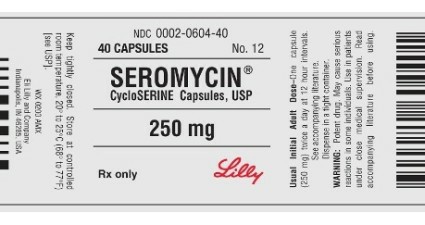
Cycloserine (Cycloserine) is a second-line anti-tuberculosis drug mainly used to treat multi-drug-resistant tuberculosis (MDR-TB) and sometimes used to treat urinary tract infections and brucellosis. As an antibiotic, cycloserine inhibits bacterial cell wall synthesis, thereby killing or inhibiting the growth of Mycobacterium tuberculosis. However, this drug may also cause neurological, psychiatric, gastrointestinal and allergic reactions and other side effects, so special monitoring and management are required during use.
1. Nervous system and psychiatric symptoms
Side effects: The most common side effects of cycloserine are nervous system and psychiatric symptoms, including headache, dizziness, drowsiness, insomnia, anxiety, depression, and difficulty concentrating. In severe cases, it may lead to confusion, hallucinations, convulsions (epileptic seizures) and even suicidal tendencies. These side effects may appear within weeks to months of taking the medication and may worsen as the dose is increased.
Prevention and Mitigation Measures:
Strict control of dosage: It is generally recommended that the daily dose should not exceed 500-750mg. Excessive dosage can easily induce severe neurotoxicity. For the elderly or those with renal insufficiency, the dose should be reduced and close observation should be performed.
Vitamin supplementation B6 (Pyridoxine): Vitamin B6 can prevent nervous system toxicity. It is recommended to be used in combination with cycloserine. The usual dose is 50-100mg/ day.
Monitor mental status: Emotional and cognitive functions should be evaluated regularly during medication. If symptoms such as severe depression, anxiety or hallucinations occur, seek medical attention promptly.
Avoid other nervous system depressants: Avoid combined use with alcohol, sedatives (such as benzodiazepines), and antipsychotics to avoid aggravating the central nervous system depressant effect.
2. Risk of epilepsy and convulsions
Side effects: Cycloserine may lower the threshold for epileptic seizures and increase the risk of convulsions (convulsions) , especially in patients with a history of epilepsy or brain disease .
Prevention and Mitigation Measures:
Avoid high-dose use: High-dose use (>750mg/day) is more likely to cause convulsions, so you should strictly follow your doctor's recommendations.
Monitor the risk of epilepsy: Patients with a history of epilepsy should use it with caution and, if necessary, take anti-epileptic drugs (such as valproic acid, carbamazepine) at the same time if necessary To prevent epileptic seizures.
Pay attention to life patterns: maintain adequate sleep, avoid excessive fatigue, and reduce mental stress to reduce the possibility of convulsions.
3. Gastrointestinal discomfort
Side effects: Some patients may experience nausea, vomiting, loss of appetite, diarrhea or stomach pain after taking cycloserine. Nausea, vomiting, loss of appetite, diarrhea or stomach pain. These symptoms are usually mild but may affect the patient's nutritional intake and medication compliance.
Prevention and Mitigation Measures:
Taking medication after meals: cycloserine can be taken with meals or with milk to reduce stomach irritation.
Small and frequent meals: If you experience loss of appetite or nausea, you can try eat small and frequent meals, avoid spicy and greasy foods, and take appropriate supplements of foods rich in vitamins B6 (such as bananas, nuts, chicken).
Supplement probiotics: If diarrhea occurs, you can consume probiotics or yogurt in moderation to improve the balance of intestinal flora.
4. Liver function damage
Side effects: Cycloserine may cause liver enzymes (ALT, AST) to increase in some patients, and even cause drug-induced hepatitis, especially when used in combination with other anti-tuberculosis drugs (such as isoniazid, rifampicin), the risk is higher.
Prevention and Mitigation Measures:
Regular monitoring of liver function: Liver function (ALT, AST, bilirubin) should be checked regularly before medication and during treatment. If liver enzymes increase abnormally, the treatment plan should be adjusted in time.
Avoid alcohol: Alcohol will increase the burden on the liver, so you should avoid drinking alcohol completely while taking the medicine. Alcohol will increase the burden on the liver.
Measures to protect liver: Supplement in appropriate amounts Silymarin, ursodeoxycholic acid (UDCA) and other liver-protecting drugs, and eat more green leafy vegetables and foods rich in antioxidants (such as carrots and tomatoes) to reduce the risk of liver damage.
5. Allergic reaction
Side effects: A small number of patients may have allergic reactions to cycloserine manifested as rash, itching, urticaria, and in severe cases, laryngeal edema or anaphylactic shock.
Prevention and Mitigation Measures:
Pay attention to observation when taking it for the first time: If the patient develops rash or itching after taking it for the first time , he should stop taking the medicine immediately and seek medical treatment.
Avoid use by patients with a history of allergies: If patients are allergic to other antibiotics (such asβ-lactams), they should use cycloserine with caution and inform their doctor in advance.
Use anti-allergic drugs when necessary: If mild rash or itching occurs, you can take Antihistamines (such as loratadine, desloratadine). For severe reactions, you need to stop taking the drug immediately and seek medical treatment.
Cycloserine is an effective anti-tuberculosis drug, but its side effects such as nervous system toxicity, gastrointestinal discomfort, liver function damage and allergic reactions require special attention. In order to reduce the occurrence of side effects, patients should strictly follow the doctor's instructions to take medications, regularly monitor relevant indicators, supplement vitamins B6, and avoid the combined use of alcohol and high-risk drugs. If severe neurological symptoms, epileptic seizures, abnormal liver function or allergic reactions occur, the drug should be discontinued immediately and medical attention should be sought to ensure the safety and effectiveness of the treatment.
[ 免责声明 ] 本页面内容来自公开渠道(如FDA官网、Drugs官网、原研药厂官网等),仅供持有医疗专业资质的人员用于医学药学研究参考,不构成任何治疗建议或药品推荐。所涉药品可能未在中国大陆获批上市,不适用于中国境内销售和使用。如需治疗,请咨询正规医疗机构。本站不提供药品销售或代购服务。


