
.jpeg)
What are the side effects of tofacitinib? How to prevent and deal with these side effects?
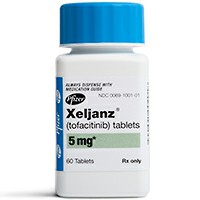
Tofacitinib is a Janus kinase (JAK) inhibitor mainly used for treatment Immune-mediated inflammatory diseases such as rheumatoid arthritis (RA), psoriatic arthritis (PsA), and ulcerative colitis (UC). Although tofacitinib has good efficacy in controlling the disease, it may also cause immunosuppression-related side effects and metabolic and hematological abnormalities. The following are common side effects of tofacitinib and corresponding prevention and response measures.
1. Increased risk of infection
Side effects: Tofacitinib can reduce the function of the immune system, making patients more susceptible to infections Bacteria, viruses, fungi or tuberculosis, including upper respiratory tract infections, herpes zoster, pneumonia, urinary tract infections and sepsis. Some patients may also develop serious or fatal opportunistic infections, such as cryptococcosis, toxoplasmosis, and cytomegalovirus infection.
Prevention and response measures:
Infection screening: Before using tofacitinib, patients should be screened for TB (TB) and hepatitis B virus (HBV). If the test is positive, preventive treatment is required before taking the drug.
Vaccinations: Before starting treatment, patients should receive influenza, pneumococcal, and shingles vaccines, but avoid live vaccines (such as attenuated measles vaccine).
Close monitoring: Patients should pay attention to infection symptoms such as fever, cough, fatigue, rash during treatment. Once a suspected infection occurs, they should seek medical treatment in time, and adjust or suspend medication according to the doctor's advice.
Pay attention to personal hygiene: wash your hands frequently, avoid contact with people with colds or flu, and avoid going to crowded areas to reduce the risk of infection.
2. Thrombosis and cardiovascular risks
Side effects: Clinical studies have shown that the use of tofacitinib may increase the risk of venous thromboembolism (VTE), pulmonary embolism (PE), and deep vein thrombosis (DVT) as well as the risk of myocardial infarction and stroke, especially in patients with advanced age (≥50 years), with a history of cardiovascular disease, or with other risk factors (such as hypertension, hyperlipidemia, smoking, etc.).
Prevention and response measures:
Assess the risk of thrombosis: Before using tofacitinib, patients should be evaluated to see if they have a history of thrombosis or cardiovascular disease. If there is a high risk, they should be used with caution or choose other treatment options.
Pay attention to healthy blood circulation: Patients are advised to avoid sitting still for long periods of time, to move their legs appropriately, and to maintain adequate fluid intake to reduce the risk of thrombosis.
Regular monitoring of cardiovascular indicators: During treatment, patients should regularly monitor blood pressure, blood lipids, and blood sugar. If symptoms of thrombosis or cardiovascular events such as chest pain, shortness of breath, swelling of lower limbs occur, they should seek medical attention immediately.
Lifestyle modifications: quit smoking, control weight, reduce high-fat diet, and increase aerobic exercise to reduce the risk of vascular disease.
3. Abnormal liver function
Side effects: Tofacitinib may cause liver function damage, resulting in liver enzymes (ALT, AST) elevation, which may lead to severe hepatitis in individual cases.
Prevention and response measures:
Regular monitoring of liver function: Before using tofacitinib and during treatment, it is recommended Regular checking of liver function (ALT, AST, bilirubin), especially Patients with a history of liver disease or long-term use of other drugs that may affect the liver (such as methotrexate, NSAIDs).
Avoid alcohol and hepatotoxic drugs: Patients should avoid heavy drinking and reduce the use of drugs that are harmful to the liver (such as acetaminophen, certain antibiotics, etc.).
If abnormal liver function occurs, medication should be suspended: If the patient develops jaundice, loss of appetite, nausea, dark urine and other liver injury symptoms, he should seek medical treatment immediately and adjust the treatment plan according to the doctor's recommendations.
4. Blood system abnormalities (anemia, leukopenia)
Side effects: Tofacitinib may affect bone marrow hematopoietic function, leading to anemia, white blood cells (WBC) and neutrophils (ANC) decrease, increasing the risk of infection.
Prevention and response measures:
Regular blood routine examination: Before and during treatment Hemoglobin, white blood cell count and platelet levels should be monitored regularly to detect abnormal changes early.
If cytopenias occur, the dose should be adjusted or the drug should be discontinued: If the hemoglobin is below 8g/dL or the white blood cells are significantly reduced, the doctor may recommend reducing the dose or suspending treatment to reduce the risk.
Balanced diet: It is recommended to supplement Foods rich in iron and folic acid (such as red meat, dark green leafy vegetables, beans) to improve anemia.
5. Other side effects (nausea, diarrhea, skin lesions, etc.)
Side effects: Some patients may experience nausea, diarrhea, headache, skin itching or rash while taking tofacitinib. Most of the symptoms are mild and will gradually ease as the body adapts.
Prevention and response measures:
Gastrointestinal discomfort: Taking tofacitinib after meals can reduce nausea and stomach discomfort. If diarrhea is severe, antidiarrheal drugs can be used under the guidance of a doctor.
Skin care: Use moisturizer to relieve dry skin and avoid scratching to prevent secondary infection. If the rash is severe or blisters appear, consult a doctor immediately.
Adequate water intake: Daily Drinking enough water can help relieve minor side effects such as headaches and fatigue.
Tofacitinib is an effective JAK inhibitor, but may cause side effects such as infection, blood clots, abnormal liver function and blood system abnormalities. Before use, patients should conduct a comprehensive health assessment, monitor various indicators regularly during treatment, and pay attention to lifestyle adjustments to reduce risks. If serious side effects occur, you should seek medical treatment promptly and adjust the treatment plan under the guidance of a doctor to ensure safe and effective use of the drug.
[ 免责声明 ] 本页面内容来自公开渠道(如FDA官网、Drugs官网、原研药厂官网等),仅供持有医疗专业资质的人员用于医学药学研究参考,不构成任何治疗建议或药品推荐。所涉药品可能未在中国大陆获批上市,不适用于中国境内销售和使用。如需治疗,请咨询正规医疗机构。本站不提供药品销售或代购服务。


