
.jpeg)
Darolutamide efficacy tracking: What is the long-term treatment effect?
Prostate cancer is a common malignant tumor in men, and its incidence rate increases year by year with age. According to the latest statistics from the World Health Organization, prostate cancer ranks second in the global list of male cancer incidence rates, second only to lung cancer, and has become a major hidden danger threatening men's health. Although the medical community has made great progress in the treatment of prostate cancer, treatment options are still limited for patients with castration-resistant prostate cancer (CRPC), especially non-metastatic castration-resistant prostate cancer (nmCRPC), and the disease progresses rapidly, placing a heavy psychological and physical burden on patients and their families.
Darolutamide (Darolutamide), as a new type of androgen receptor antagonist, is gradually becoming an important treatment option for nmCRPC patients, bringing them new hope. Since it was first approved by the US FDA in 2019, darotamide has shown remarkable efficacy in clinical trials, not only It significantly prolonged the patient's metastasis-free survival (MFS) and overall survival (OS), and also effectively improved the patient's quality of life.
As an oral androgen receptor antagonist, darotamide is unique in that it can tightly bind to androgen receptors, thereby blocking the stimulating effect of androgens on prostate cancer cells and effectively inhibiting the growth of cancer cells. Compared with other similar drugs, darotamide has lower central nervous system penetration, which means it has fewer side effects on the brain and can significantly reduce nervous system-related adverse reactions, such as dizziness, fatigue, and cognitive impairment. Therefore, while ensuring efficacy, darotamide also provides patients with a safer treatment option.
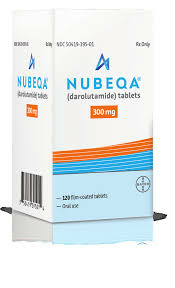
The efficacy of darotamide was fully verified in theARAMIS study. This multi-center, randomized, double-blind, placebo-controlled Phase III clinical trial involving 1500 patients with nmCRPC was designed to evaluate the impact of darolutamide on metastasis-free survival and overall survival. The results of the study showed that the metastasis-free survival period of patients in the darotamide group was significantly longer than that of the placebo group. After 24 months of treatment, the metastasis-free survival period of the darotamide group was extended by approximately 22 months, while that of the placebo group was only extended by approximately 15 months. More importantly, darotamide also performed well in prolonging the overall survival of patients, providing patients with new long-term survival opportunities.
In addition to its remarkable efficacy, another major advantage of darotamide is its relatively mild side effects. Clinical studies have shown that the incidence of side effects of darotamide is low and most of the symptoms are mild to moderate. For example, approx.30%of patients reported symptoms such as fatigue, loss of appetite, or mild nausea, but these symptoms were tolerated by most patients and did not affect the continuity of treatment. Therefore, while ensuring the efficacy, darotamide minimizes its impact on patients' daily life and improves their quality of life.
In traditional prostate cancer treatment methods, chemotherapy, radiotherapy and hormone therapy are usually accompanied by many side effects, such as nausea, vomiting, bone pain, weight loss, mood swings, etc. These side effects seriously affect the daily life of patients. As a relatively mild drug, darotamide has mild and controllable side effects, which can help patients maintain a better living condition. For nmCRPC patients, darotamide not only provides a new treatment option, but also brings them hope of extending survival and improving quality of life.
References:
https://www.ema.europa.eu/en/medicines/human/EPAR/nubeqa
xa0
[ 免责声明 ] 本页面内容来自公开渠道(如FDA官网、Drugs官网、原研药厂官网等),仅供持有医疗专业资质的人员用于医学药学研究参考,不构成任何治疗建议或药品推荐。所涉药品可能未在中国大陆获批上市,不适用于中国境内销售和使用。如需治疗,请咨询正规医疗机构。本站不提供药品销售或代购服务。


