
.jpeg)
Suggestions for adjusting the dosage of darotamide tablets: personalized treatment plan
Darolutamide (Darolutamide), as a new androgen receptor antagonist, provides a new treatment option for patients with non-metastatic castration-resistant prostate cancer (nmCRPC). Taking darotamide correctly is key to ensuring that the drug works optimally. Below is a detailed dosage and usage guide to help patients better manage their treatment.
The usual recommended dosage of darotamide is 300 mg twice daily, for a total dose of 600 mg per day. It is recommended that patients take it once in the morning and once in the evening. The specific time can be flexibly adjusted according to personal living habits, but the daily medication time should be kept as consistent as possible to ensure that the drug maintains a stable concentration in the body.
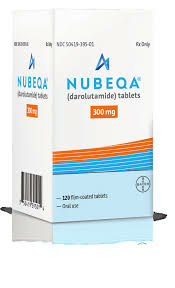
To improve drug absorption and reduce gastrointestinal irritation, patients are advised to take darotamide after or with meals. At the same time, in order to maximize the effectiveness of the medicine, patients should try to keep the medication time regular. If you forget to take the medicine, you should take it as soon as possible within 12 hours after you remember it; if it exceeds 12 hours, there is no need to take it again, just take the next dose at the normal time.
Darostamide is an oral tablet. Patients should swallow the tablet whole. Do not chew, crush or split the tablet to avoid affecting the release rate and efficacy of the drug. When taking medicine, you should drink enough water to ensure that the medicine enters the stomach smoothly.
Patients should strictly follow the dosage prescribed by the doctor and are not allowed to increase or decrease the dosage of the drug on their own. If dosage adjustment is necessary, it must be done under the guidance of a doctor. Also, darolutamide may interact with certain drugs, especially other anticancer drugs or drugs that affect liver enzymes. Therefore, while taking darotamide, patients should inform their doctor about other drugs they are taking so that the doctor can evaluate whether the treatment plan needs to be adjusted.
In addition, patients should undergo regular blood tests, liver and kidney function tests, and prostate-specific antigen (PSA) monitoring to evaluate drug efficacy and detect potential side effects in a timely manner.
References:
https://www.ema.europa.eu/en/medicines/human/EPAR/nubeqa
xa0
[ 免责声明 ] 本页面内容来自公开渠道(如FDA官网、Drugs官网、原研药厂官网等),仅供持有医疗专业资质的人员用于医学药学研究参考,不构成任何治疗建议或药品推荐。所涉药品可能未在中国大陆获批上市,不适用于中国境内销售和使用。如需治疗,请咨询正规医疗机构。本站不提供药品销售或代购服务。


