
.jpeg)
What is the dosage of linezolid? Can it be taken for a long time?
Linezolid (Linezolid) is an antibiotic mainly used to treat infections caused by Gram-positive bacteria, including methicillin-resistant Staphylococcus aureus (MRSA) and other drug-resistant bacterial infections. Linezolid achieves its antibacterial effects by inhibiting bacterial protein synthesis.
For adults and children, the usual dose of linezolid is usually 600 mg every 12 hours, either by mouth or intravenously. The duration of treatment depends on the type and severity of the infection, generally 10 to 14 days, but some serious infections may require longer treatment. In adults with normal renal function, the intravenous and oral doses are the same; in patients with renal impairment, no dose adjustment is required for linezolid because its metabolism is primarily through the liver rather than the kidneys.
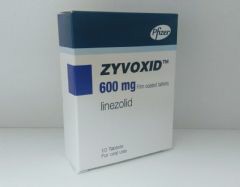
Linezolid is generally not recommended for long-term use because long-term use may cause certain side effects, such as bone marrow suppression (including anemia, leukopenia, and thrombocytopenia), neurological problems (such as peripheral neuropathy and retinopathy), and risks related to lactic acidosis. Typically, the course of linezolid treatment ranges from 2 to 4 weeks depending on the type of infection. If it must be used beyond this cycle, doctors usually strictly monitor the patient's blood routine, liver and kidney function, and nervous system response.
When using linezolid for a long time, special attention should be paid to hematological tests and the patient's blood cell counts should be monitored regularly to ensure that severe bone marrow suppression does not occur. In addition, patients should pay attention to any discomfort related to the nervous system, such as numbness, tingling or vision problems in the limbs, and inform their doctor immediately if they have any abnormal symptoms.
Linezolid is used to treat various gram-positive bacterial infections. The usual dose is 600 mg once every 12 hours. Although linezolid has a good antibacterial effect, long-term use is not recommended, especially beyond the recommended treatment period, and strict clinical monitoring is required. When used for a long time, patients may face certain side effects, especially problems with the blood system and nervous system. Therefore, doctors need to make careful decisions based on the specific infection situation and reasonably control the course of treatment.
Reference materials:https://go.drugbank.com/drugs/DB00601
[ 免责声明 ] 本页面内容来自公开渠道(如FDA官网、Drugs官网、原研药厂官网等),仅供持有医疗专业资质的人员用于医学药学研究参考,不构成任何治疗建议或药品推荐。所涉药品可能未在中国大陆获批上市,不适用于中国境内销售和使用。如需治疗,请咨询正规医疗机构。本站不提供药品销售或代购服务。


