
.jpeg)
What are the side effects of long-term use of mitotane? How to monitor and manage?
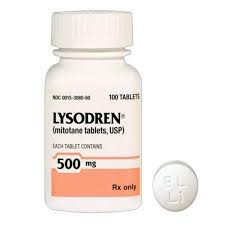
Mitotane (Mitotane) is a drug used to treat adrenocortical cancer. It achieves therapeutic effects by inhibiting adrenocortical function. However, long-term use of mitotane may cause a series of side effects, mainly involving the endocrine system, liver and kidney function, and nervous system.
Side effects of the endocrine system: Mitotane can cause suppression of adrenocortical function, leading to adrenal insufficiency, manifested by symptoms such as hypoglycemia, hypotension, and weight loss. This is because mitotane reduces cortisol and aldosterone levels by inhibiting hormone synthesis in the adrenal cortex. In addition, long-term use may cause abnormalities in other hormone levels, such as a decrease in sex hormone levels, which may affect reproductive function or cause loss of sexual desire.
Effects on liver and kidney function: The metabolism of mitotane in the body needs to be carried out by the liver, so long-term use may lead to abnormal liver function, such as elevated liver enzymes, and even cause liver damage. Kidney function may also be affected, causing problems such as water and electrolyte imbalances. During long-term use, liver and kidney function need to be monitored regularly to ensure that no serious organ damage occurs.
Nervous system side effects: Mitotane may also cause adverse reactions to the nervous system, such as dizziness, drowsiness, motor coordination disorders, memory loss, etc., especially when taken at high doses for a long time. These side effects may affect patients' daily life and work.
Monitoring and management
Patients taking mitotane long-term require regular monitoring of adrenal hormone levels in the blood, specifically cortisol and aldosterone concentrations, to assess adrenal function. In addition, patients should have regular liver and kidney function tests, especially liver enzyme, creatinine and electrolyte levels, to ensure early detection of any abnormalities. Regarding the nervous system, attention should be paid to changes in the patient's mental status, and their cognitive function and neurological symptoms should be evaluated regularly.
Strategies for managing these side effects include: once adrenal insufficiency is discovered, promptly supplement hormones (such as oral cortisol) and adjust drug dosage to reduce side effects; for patients with abnormal liver and kidney function, reduce drug dosage or consider suspending treatment; for neurological side effects, appropriately adjust the dosage of mitotane or use other drugs in combination for symptomatic treatment. Through individualized management, the impact of side effects on patients' quality of life can be minimized.
Reference materials:https://go.drugbank.com/drugs/DB00648
[ 免责声明 ] 本页面内容来自公开渠道(如FDA官网、Drugs官网、原研药厂官网等),仅供持有医疗专业资质的人员用于医学药学研究参考,不构成任何治疗建议或药品推荐。所涉药品可能未在中国大陆获批上市,不适用于中国境内销售和使用。如需治疗,请咨询正规医疗机构。本站不提供药品销售或代购服务。


