
.jpeg)
How long does it take for ivonib to be effective? What to do after drug resistance?
Ivosidenib is a targeted drug targeting IDH1 mutations. It is mainly used to treat acute myeloid leukemia (AML) and certain solid tumors (such as glioblastoma) associated with IDH1 mutations. Its mechanism of action is to inhibit the mutated IDH1 enzyme and reduce the production of 2-hydroxyglutarate (2-HG), thereby restoring the normal cell differentiation process and inhibiting the proliferation of tumor cells. In patients with acute myeloid leukemia, avosidenib usually needs to be taken for weeks to months to be effective. According to clinical data, some patients may show signs of improvement in blood levels or disease remission within 1 to 2 months after the start of treatment.
During the treatment process, the efficacy of ivonib is usually evaluated by pathology and clinical response, such as blood routine, bone marrow examination and improvement of clinical symptoms. For AML patients, during the initial stage of treatment, it may be necessary to regularly monitor leukemia-related blood changes and other side effects in order to timely evaluate drug effects and adjust treatment plans. Although it usually takes several weeks for the drug to show effects, individual differences are large, so the specific treatment time needs to be determined based on the patient's clinical response.
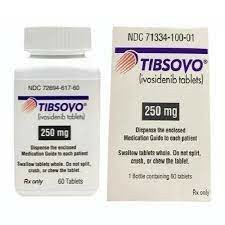
Although ivonib has shown significant efficacy in many patients with IDH1 mutations, some patients may develop drug resistance as treatment progresses. The mechanism of drug resistance may be related to multiple factors, including mutations in tumor cells in pathways other than the IDH1 mutation site, or activation of other related pathways (such as the PI3K/AKT pathway), resulting in reduced sensitivity of tumor cells to ivonib. In addition, patients may develop drug resistance by secreting more 2-HG or repairing the metabolic abnormalities caused by IDH1 mutations in other ways.
After the development of drug resistance, treatment strategies will be adjusted. First, doctors usually perform genetic testing to evaluate whether there are new mutations or other factors that may affect the effectiveness of the drug. If resistance is caused by activation of other pathways, other targeted drugs or chemotherapy drugs may need to be used in combination to control further tumor development. In addition, the development of new targeted drugs or treatment options for the mechanisms of drug resistance is ongoing, which is expected to provide new treatment options for patients.
Reference link:https://www.tibsovo.com/
[ 免责声明 ] 本页面内容来自公开渠道(如FDA官网、Drugs官网、原研药厂官网等),仅供持有医疗专业资质的人员用于医学药学研究参考,不构成任何治疗建议或药品推荐。所涉药品可能未在中国大陆获批上市,不适用于中国境内销售和使用。如需治疗,请咨询正规医疗机构。本站不提供药品销售或代购服务。


