
.jpeg)
What is the mechanism of action of dapinostat? What is the difference compared to roxadustat?
Daprodustat is an oral hypoxia-inducible factor prolyl hydroxylase inhibitor (HIF-PHI) used to treat anemia associated with chronic kidney disease (CKD). Its mechanism of action is to inhibit HIFprolyl hydroxylase (HIF-PH) and prevent hypoxia-inducible factor (HIF) is degraded, causing HIF to accumulate in cells, thereby promoting erythropoietin (EPO) gene expression, enhancing iron utilization, and stimulating bone marrow hematopoiesis. This mechanism is similar to the human body's natural physiological process of increasing red blood cell production in low-oxygen environments at plateau, thereby improving the anemia in patients with chronic kidney disease.
Similar to dapostat, roxadustat (Roxadustat) is also a HIF-PHI drug. The two are similar in mechanism of action, but there are certain differences in chemical structure, metabolic characteristics and applicable populations. Roxadustat was the first HIF-PHI drug to be approved, and daprostat was one of the later approved drugs of the same type. Daprostat is metabolized quickly in the body and has a short half-life, so it usually needs to be taken once a day, while roxadustat is metabolized slightly slowly in the body and may be taken 3 times a week to maintain the effect. In addition, there may be individual differences in the tolerance and efficacy of these two drugs among different patients, and the specific use needs to be adjusted according to the patient's condition.
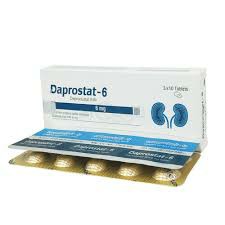
In terms of clinical application, both daprostat and roxadustat can be used in dialysis and non-dialysis chronic kidney disease anemia patients, but the approved indications are slightly different in different countries and regions. For example, in some regions, roxadustat may be preferentially recommended for non-dialysis patients, whereas daprostat has shown good efficacy in dialysis patients. Studies have shown that both can effectively increase hemoglobin levels and reduce dependence on traditional erythropoietin (ESA) treatment, but daprixostat may have certain advantages in regulating iron metabolism, making it better tolerated in some patients.
In general, daprostat and roxadustat belong to the same HIF-PHI class of drugs, both of which can simulate hypoxia to promote erythropoiesis and are used to treat anemia in chronic kidney disease. However, they have certain differences in metabolic characteristics, administration frequency, applicable population and individual tolerance. Clinicians will choose the most suitable treatment plan according to the patient's specific conditions. As more research is conducted and clinical applications accumulate, the long-term efficacy and safety of these two drugs still need to be further evaluated.
Reference materials:https://en.wikipedia.org/wiki/Daprodustat
[ 免责声明 ] 本页面内容来自公开渠道(如FDA官网、Drugs官网、原研药厂官网等),仅供持有医疗专业资质的人员用于医学药学研究参考,不构成任何治疗建议或药品推荐。所涉药品可能未在中国大陆获批上市,不适用于中国境内销售和使用。如需治疗,请咨询正规医疗机构。本站不提供药品销售或代购服务。


