
.jpeg)
How to use Roprestim/Romigrastim correctly? Dosage and Administration Guide
Romiplostim is a thrombopoietin receptor agonist, mainly used to treat hematopoietic abnormalities caused by chronic idiopathic thrombocytopenia (ITP) and acute radiation syndrome (H-ARS). The drug works by stimulating megakaryocytes in the bone marrow to produce more platelets by mimicking the effects of thrombopoietin (TPO), thereby increasing platelet levels and reducing the risk of bleeding. The dosage and usage of Roprostim needs to be adjusted according to individual circumstances to ensure efficacy and safety.
For adult patients with chronic ITP, the starting dose of loplastin is usually 1 mcg/kg per week, subcutaneously, and the specific dose is calculated based on the patient's actual weight. During the medication, the doctor will adjust the dose according to the patient's platelet level so that the platelet count remains above 50,000/mm³ but does not increase excessively. If platelet levels remain below 50,000/mm³, the dose may be increased by 1 mcg/kg per week; when the platelet count exceeds 200,000/mm³ for two weeks, the dose should be gradually reduced. If the platelet level exceeds 400,000/mm³, the medication needs to be suspended and the platelet level monitored weekly until it drops below 200,000/mm³ before gradually resuming treatment. The maximum dose should not exceed 10 mcg/kg per week to avoid increased risk of blood clots due to excessive platelet elevation.
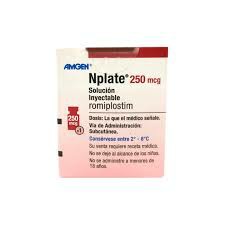
Dose adjustment principles for pediatric patients (1 year and older) are similar to those for adults. The starting dose is also 1 mcg/kg subcutaneously once weekly, with subsequent adjustments based on changes in platelet levels and body weight. Weight assessment of pediatric patients is recommended every 12 weeks to ensure dosing accuracy. If the platelet count is less than 50×10⁹/L, it can be increased by 1 mcg/kg per week; if it is higher than 200,000/mm³ and lasts for 2 weeks, the dose should be reduced, and when the platelet count exceeds 400,000/mm³, the medication should be suspended and resumed after the platelet count drops below 200,000/mm³. The maximum dose in pediatric patients should also not exceed 10 mcg/kg per week to ensure safety.
In the treatment of acute radiation syndrome (H-ARS), the recommended dose of loprostimone is 10 mcg/kg as a single subcutaneous injection in both adults and children. This dose should be administered as soon as possible after suspected or confirmed exposure to myelosuppressive doses of radiation to promote recovery of hematopoietic function.
Roplastin is administered subcutaneously once a week, and the injection site can be the abdomen, outer thigh, or upper arm. After taking the medication, patients need to monitor their platelet count regularly and adjust the dosage according to the doctor's recommendations. During treatment, if the platelet count continues to exceed 400,000/mm³, medication needs to be suspended to avoid the risk of thrombosis. In addition, patients should also pay attention to the possible side effects of Roprostim, such as headache, joint pain, nausea, fatigue, etc. If serious discomfort occurs, they should seek medical treatment in time.
For patients who are taking loplastin for a long time, doctors may gradually adjust the dose to ensure that platelet levels are maintained within an appropriate range without excessive elevation. After stopping the drug, some patients may experience a decrease in platelet levels, so changes in blood routine need to be closely monitored in order to adjust the treatment plan in a timely manner.
Reference:https://en.wikipedia.org/wiki/Romiplostim
[ 免责声明 ] 本页面内容来自公开渠道(如FDA官网、Drugs官网、原研药厂官网等),仅供持有医疗专业资质的人员用于医学药学研究参考,不构成任何治疗建议或药品推荐。所涉药品可能未在中国大陆获批上市,不适用于中国境内销售和使用。如需治疗,请咨询正规医疗机构。本站不提供药品销售或代购服务。


