
.jpeg)
How can I avoid digestive discomfort while taking sorafenib?
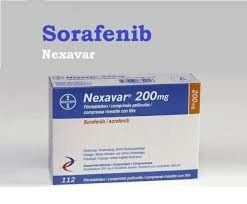
Sorafenib is a targeted therapy used to treat advanced liver cancer, renal cell carcinoma, and certain other types of cancer. Although it has significant efficacy in cancer treatment, patients may experience digestive system discomfort during use, including diarrhea, nausea, vomiting, loss of appetite, and abdominal pain. In order to reduce these adverse effects, patients can take some preventive measures and management methods.
1. Appropriate dietary adjustments: When taking sorafenib, it is very important to maintain a light, easy-to-digest diet. Patients are advised to choose low-fat, low-fiber and bland foods to reduce gastrointestinal burden. For example, avoid greasy, spicy, and overly spicy foods, which may worsen nausea and vomiting. Eating a small amount of food before meals can help relieve stomach discomfort and avoid the irritating reaction caused by taking medication on an empty stomach. In addition, eating more easily digestible foods, such as rice, noodles, steamed vegetables, and cooked chicken, can help reduce gastrointestinal irritation.
2. Divide meals or adjust drug taking time: In order to reduce the irritation of the drug to the gastrointestinal tract, patients may consider dividing the dose of sorafenib into two doses instead of taking the entire dose at one time. It is often recommended to take the medication after a meal to relieve gastrointestinal discomfort. If severe nausea or vomiting occurs, patients should discuss with their doctor whether to adjust the timing or dosage of the medication.
3. Maintain adequate fluids and electrolyte balance: Diarrhea is one of the common side effects of sorafenib. Prolonged diarrhea may lead to dehydration and electrolyte imbalance. To prevent this problem, patients should be careful to maintain adequate fluid intake, especially if diarrhea occurs. In addition to plain water, electrolyte drinks (such as sports drinks) can also help replace lost electrolytes in the body. Avoid caffeinated and alcoholic beverages as they may worsen dehydration and gastrointestinal distress.
4. Use drugs to relieve symptoms: If the patient has severe digestive system discomfort, some symptomatic drugs can be considered to relieve symptoms. For example, for nausea or vomiting, anti-nausea medications, such as meclizine, can be used to reduce discomfort. For diarrhea, doctors may recommend the use of anti-diarrhea drugs, such as loperamide (Imodium), but you should confirm with your doctor before use to ensure its safety.
In short, when taking sorafenib, digestive system discomfort can be effectively alleviated by making appropriate dietary adjustments, taking medication at separate meals, maintaining adequate water and electrolyte balance, and using symptomatic drugs when necessary. These measures can not only help patients reduce discomfort during treatment, but also improve quality of life. In the event of any severe symptoms of discomfort, patients should communicate with their doctor promptly to adjust the treatment plan.
Reference materials:https://www.nexavar.com/
[ 免责声明 ] 本页面内容来自公开渠道(如FDA官网、Drugs官网、原研药厂官网等),仅供持有医疗专业资质的人员用于医学药学研究参考,不构成任何治疗建议或药品推荐。所涉药品可能未在中国大陆获批上市,不适用于中国境内销售和使用。如需治疗,请咨询正规医疗机构。本站不提供药品销售或代购服务。


