
.jpeg)
Can Pitobrutinib be used in combination with other anticancer drugs?
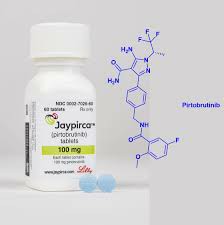
Pirtobrutinib is a novel Bruton's tyrosine kinase (BTK) inhibitor, mainly used to treat certain types of hematological malignancies, especially chronic lymphocytic leukemia (CLL) and small lymphocytic lymphoma (SLL). Unlike traditional BTK inhibitors, pitobrutinib has greater selectivity and lower risk of side effects while targeting BTK inhibition. This makes pitobrutinib an effective and potentially promising drug for the treatment of a variety of cancers. An important question is whether it can be used in combination with other anticancer drugs and how effective the combination is.
1. The potential of pitobrutinib in combination with other anti-cancer drugs
The mechanism of action of Pitobrutinib is by inhibiting the BTK enzyme and blocking the B cell receptor signaling pathway, thereby effectively controlling the progression of certain B cell malignant tumors. Considering that many hematological tumors, such as CLL and SLL, often rely on activation of the B cell receptor signaling pathway, BTK inhibitors are very effective in these diseases. However, single drug therapy may not meet the needs of all patients, especially those with drug resistance or relapse. Therefore, the combination of pitobrutinib with other anticancer drugs has important clinical significance.
Used in combination with other anticancer drugs, different mechanisms of action can be used to enhance efficacy or overcome resistance problems in monotherapy. For example, combined with chemotherapy drugs, immune checkpoint inhibitors, or other targeted therapies, it may improve the effectiveness of treatment and survival.
2. Pitobrutinib is used in combination with chemotherapy drugs
In some clinical trials, pitobrutinib has been used in combination with traditional chemotherapy drugs, especially against blood tumors such as CLL and SLL. Chemotherapy drugs, such as fludarabine (Fludarabine) and cyclophosphamide (Cyclophosphamide), can exert anti-tumor effects by damaging the DNA of cancer cells. When combined with pitobrutinib, chemotherapy drugs can further enhance their inhibitory effect on tumor cells. Especially in some refractory or relapsed patients, combination therapy may overcome the resistance during monotherapy and produce better clinical efficacy.
In addition, pitobrutinib was well tolerated when used in combination with chemotherapy drugs. According to some preliminary clinical studies, the regimen of pitobrutinib combined with chemotherapy drugs has shown good efficacy and controllable side effects, providing patients with a new treatment option.
3. Pitobrutinib combined with immune checkpoint inhibitors
Immune checkpoint inhibitors (such asPD-1/PD-L1 inhibitors) have shown significant efficacy in the treatment of various cancers. Studies have shown that B cell-related tumors have certain mechanisms for immune evasion, and BTK plays an important role in the immune evasion process of B cells. Pitobrutinib may enhance the immune system's recognition and killing of tumor cells by inhibiting BTK. Combined use with immune checkpoint inhibitors (such as nivolumab or pembrolizumab) can further enhance the immune recognition of tumor cells and break through the tumor's immune evasion mechanism, thereby improving the therapeutic effect.
The potential of this combination therapy has been demonstrated in several clinical trials, especially in tumor types that are not adequately controlled by immune checkpoint inhibitors. Pitobrutinib supports immunotherapy by enhancing the immune response.
4. Pitobrutinib is used in combination with other targeted drugs
In addition to being used in combination with chemotherapy drugs and immune checkpoint inhibitors, pitobrutinib can also be used in combination with other targeted drugs, such as with the BCL-2 inhibitor bedamatinib (Venetoclax). BCL-2 is a protein that inhibits apoptosis in tumor cells. Drugs targeting BCL-2 can promote the death of tumor cells. When used in combination with pitobrutinib, BCL-2 inhibitors can act synergistically to further inhibit the growth of tumor cells. Especially in the treatment of chronic lymphocytic leukemia, the combination treatment regimen of pitobrutinib and bedamatinib has shown promising results.
5. Safety and tolerability of combined use
The safety of pitobrutinib in combination with other anticancer drugs is an important concern in clinical studies. Although most studies show that pitobrutinib is well tolerated when used in combination with other drugs, there are some side effects that need to be monitored. For example, pitobrutinib may cause thrombocytopenia, anemia, and leukopenia, and these side effects may be amplified when combined with other drugs. Therefore, patients must be closely monitored for hematological changes and other potential adverse effects during combination therapy regimens.
Pitobrutinib, as a new type of BTK inhibitor, has great potential for use in combination with other anti-cancer drugs. Combined use with chemotherapy drugs, immune checkpoint inhibitors, BCL-2 inhibitors, etc. can enhance the therapeutic effect, overcome drug resistance, and improve patient prognosis. However, side effects and tolerability issues of combined use still require close attention. In clinical application, a reasonable combination treatment plan needs to be formulated according to the patient's individual situation to maximize efficacy and safety.
Reference materials:https://www.jaypirca.com/
[ 免责声明 ] 本页面内容来自公开渠道(如FDA官网、Drugs官网、原研药厂官网等),仅供持有医疗专业资质的人员用于医学药学研究参考,不构成任何治疗建议或药品推荐。所涉药品可能未在中国大陆获批上市,不适用于中国境内销售和使用。如需治疗,请咨询正规医疗机构。本站不提供药品销售或代购服务。


