
.jpeg)
How does fostatinib affect platelet levels in the body?
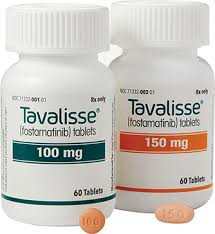
Fostamatinib is an oral tyrosine kinase inhibitor mainly used to treat chronic immune thrombocytopenia (ITP) and other diseases. Fostatinib improves platelet levels by inhibiting the activity of Syk (Spleen Tyrosine Kinase) enzyme, acting on signaling pathways related to platelet production and destruction in the immune system. During the treatment process, fostatinib's effect on platelets is a core part of its therapeutic mechanism. This drug can regulate platelet levels through different pathways and exert its therapeutic effect.
1. The relationship between fostatinib and platelet production
One of the mechanisms of action of fostatinib is to regulate platelet production by inhibiting Sykenzyme. SykThe enzyme plays an important role in signal transduction in a variety of immune cells, including in macrophages and dendritic cells, which are often involved in the destructive response to platelets. By inhibiting Syk, fostatinib can reduce the immune system's attack on platelets, thereby preventing excessive platelet destruction and thereby increasing the number of platelets. This is critical in treating thrombocytopenia caused by the immune system, such as chronic immune thrombocytopenia (ITP).
2. The improvement effect of fostatinib on platelet levels
In patients with chronic immune thrombocytopenia, the decrease in platelets is usually due to an abnormal response of the immune system that causes platelet destruction or rapid clearance. Treatment with fostatinib promotes recovery of platelet numbers by inhibiting Syk, a key molecule in the immune response, slowing platelet clearance. Multiple clinical studies have shown that fostatinib can significantly improve platelet counts in patients with ITP. Typically, patients will see a gradual recovery in their platelet counts within a few weeks of starting fostatinib treatment, which is critical to mitigating the patient's risk of bleeding and improving their quality of life.
3. Side effects of fostatinib on platelet levels
Although fostatinib increases platelet levels, patients may develop platelet levels that are too high during treatment. Because fostatinib works by interfering with the immune system to restore platelet numbers, some patients may experience thrombocytosis (an abnormally high platelet count) during treatment. Although less common, it is a potential side effect of fostatinib treatment. Too high platelet levels may increase the risk of thrombosis, especially in those with pre-existing cardiovascular disease. For this reason, doctors need to closely monitor the patient's platelet levels during treatment and adjust the drug dosage according to the actual situation to avoid the risk of excessive platelet levels.
4. Combined use of fostatinib with other drugs
Fostatinib has shown good efficacy as a single agent in the treatment of thrombocytopenia, but in some clinical practices it may be used in combination with other immunosuppressants or thrombopoietic drugs. Combination therapy may further modulate platelet production and destruction mechanisms, helping to increase platelet levels. However, coadministration may also increase the risk of adverse effects, particularly in the management of platelet levels. Therefore, when using fostatinib in combination with other drugs, doctors need to pay special attention to changes in platelet count and make timely monitoring and adjustments during treatment.
5. Clinical observation and long-term management of platelet levels
During treatment with fostatinib, patients need to undergo regular blood tests, especially monitoring of platelet counts. This not only helps to evaluate the efficacy of the drug, but also to detect possible side effects in a timely manner, especially an increase or decrease in platelet count. During long-term treatment, doctors will flexibly adjust the treatment plan based on the patient's platelet level, clinical symptoms and overall health status to ensure that the platelet level is maintained within a reasonable range, maximizing treatment effects and minimizing treatment risks.
Fostatinib, as a targeted immunotherapy drug, significantly improves platelet levels in patients with chronic immune thrombocytopenia (ITP) by inhibiting the activity of Syk enzyme. It helps improve platelet counts by reducing the immune system's attack on platelets, reducing the rate at which they are cleared. However, it is also necessary to pay attention to monitoring excessive elevation of platelets during treatment to prevent the occurrence of complications such as thrombosis. Patients should work closely with their doctors during treatment, check platelet levels regularly, and adjust treatment plans according to their doctors' recommendations.
Reference materials:https://www.tavalisse.com/
[ 免责声明 ] 本页面内容来自公开渠道(如FDA官网、Drugs官网、原研药厂官网等),仅供持有医疗专业资质的人员用于医学药学研究参考,不构成任何治疗建议或药品推荐。所涉药品可能未在中国大陆获批上市,不适用于中国境内销售和使用。如需治疗,请咨询正规医疗机构。本站不提供药品销售或代购服务。


