
.jpeg)
Do I need to check my blood pressure regularly while using Lenvatinib?
Lenvatinib (Lenvatinib) is a targeted therapy drug mainly used to treat various cancers such as hepatocellular carcinoma (HCC), renal cell carcinoma (RCC), and thyroid cancer. It blocks tumor angiogenesis and tumor cell proliferation by inhibiting the kinase activity of multiple receptors such as VEGFR, FGFR, and PDGFR. During treatment with lenvatinib, patients may experience some adverse reactions, especially hypertension, so regular blood pressure checks are necessary.
Lenvatinib, as a multi-target anti-tumor drug, may inhibit angiogenesis and cause vasoconstriction and increase in blood pressure. Many clinical studies have shown that approximately 15% to 20% of patients taking lenvatinib experience hypertension. This is mainly because lenvatinib reduces the dilation of blood vessels by inhibiting vascular endothelial growth factor (VEGF) and its receptors, leading to vasoconstriction and thus increased blood pressure. If high blood pressure is not controlled, it may lead to serious cardiovascular events, such as stroke, heart failure, etc. Therefore, regular monitoring of blood pressure is an important step to ensure the safety of treatment.
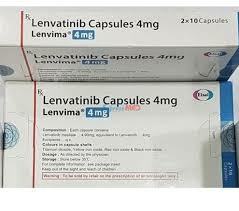
During lenvatinib treatment, patients should check their blood pressure regularly so that abnormal increases in blood pressure can be detected in time and measures can be taken. If high blood pressure is not controlled, it may increase the burden on the cardiovascular system during treatment and even lead to complications such as renal damage and stroke. Therefore, doctors recommend that patients have a baseline blood pressure measurement before starting lenvatinib treatment and monitor blood pressure regularly during treatment, usually once a week, especially in the early stages of treatment. Through these regular monitoring, doctors can help doctors detect blood pressure changes early and adjust treatment plans in a timely manner.
If the patient's blood pressure is found to increase during treatment with lenvatinib, the doctor will decide whether antihypertensive treatment is needed based on the degree of increase in blood pressure. For mild hypertension, blood pressure can usually be effectively controlled through lifestyle adjustments, such as reducing salt intake, increasing exercise, and controlling weight. However, if blood pressure continues to rise and exceeds a certain threshold (such as 160/100mmHg or above), antihypertensive drugs may be needed, such as ACE inhibitors, calcium channel blockers or beta-receptor antagonists. Doctors will select appropriate antihypertensive drugs based on the patient's specific conditions to ensure that blood pressure is within a safe range, thereby reducing the risks of treatment.
xa0
Reference materials:https://www.lenvima.com/
[ 免责声明 ] 本页面内容来自公开渠道(如FDA官网、Drugs官网、原研药厂官网等),仅供持有医疗专业资质的人员用于医学药学研究参考,不构成任何治疗建议或药品推荐。所涉药品可能未在中国大陆获批上市,不适用于中国境内销售和使用。如需治疗,请咨询正规医疗机构。本站不提供药品销售或代购服务。


