
.jpeg)
Detailed instructions for the anticancer drug midostaurin: indications, usage, dosage and precautions
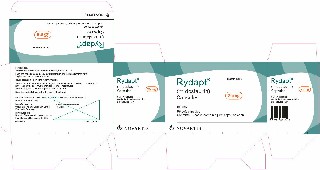
Midostaurin (Midostaurin), trade name RYDAPT, is a multi-target kinase inhibitor widely used in the treatment of specific types of hematological malignancies. As an innovative targeted drug, midostaurin has demonstrated significant clinical efficacy in the treatment of acute myeloid leukemia (AML) and systemic mastocytosis (SM). This article will provide you with a detailed analysis of the usage guidelines of midostaurin in terms of indications, usage and dosage, precautions, etc., to help patients better understand this drug.
1. Indications
Midostaurin is mainly used to treat the following two types of diseases:
1. Newly diagnosed acute myeloid leukemia (AML) with positive FLT3 mutation: Midostaurin is suitable for AML patients with positive FLT3 gene mutation and needs to be used in combination with standard induction chemotherapy with cytarabine and daunorubicin and cytarabine consolidation chemotherapy. Studies have shown that midostaurin combined with chemotherapy can significantly prolong the disease-free survival (DFS) and overall survival (OS) of patients, providing new treatment hope for AML patients. It should be noted that midostaurin is not suitable for single-agent induction therapy in patients with AML.
2. Systemic mastocytosis (SM): including aggressive systemic mastocytosis (ASM), systemic mastocytosis with associated hematological tumors (SM-AHN), and mast cell leukemia (MCL). Midostaurin effectively controls the abnormal proliferation of mast cells and improves patients' symptoms and quality of life by inhibiting KIT gene mutations.
2. Usage and dosage
The usage and dosage of midostaurin vary depending on the type of disease, and patients must strictly follow the doctor's instructions:
1. Acute myeloid leukemia (AML): The recommended dose is 50mg, taken orally twice a day with meals. Patients need to continue taking midostaurin during induction chemotherapy and consolidation chemotherapy until disease progression or intolerable side effects occur.
2. Systemic mastocytosis (SM): including ASM, SM-AHN and MCL, the recommended dose is 100mg, twice a day, orally with meals. Patients need to take it for a long time until the disease progresses or serious side effects occur.
3. Precautions
1. Medication time: Midostaurin needs to be taken with meals to improve the absorption rate of the drug and reduce gastrointestinal discomfort. Patients should try to take medicine at a fixed time to avoid missing doses or adjusting the dose at will. If you forget to take a dose, take it as soon as you remember, but do not take a double dose at the same time.
2. Side effect management: Common side effects of midostaurin include nausea, vomiting, diarrhea, fatigue and headache, most of which are mild to moderate and can be alleviated through symptomatic treatment. A small number of patients may experience serious side effects, such as interstitial lung disease (ILD) or QT interval prolongation, and need to stop taking the drug and seek medical attention immediately.
3. Regular monitoring: Patients need to undergo regular blood routine, liver function and electrocardiogram examinations during the period of using midostaurin to monitor the efficacy and safety of the drug. For AML patients, bone marrow aspiration and genetic testing are also required regularly to evaluate the disease status.
4. Medication for special groups: Pregnant women, lactating women and patients with hepatic insufficiency should use midostaurin with caution, and should decide whether to take the medication after weighing the pros and cons under the guidance of a doctor.
5. Drug interactions
Midostaurin may interact with other medications, affecting their efficacy or increasing the risk of side effects. For example, coadministration with strong CYP3A4 inhibitors (such as ketoconazole) may increase the plasma concentration of midostaurin, while coadministration with strong CYP3A4 inducers (such as rifampicin) may decrease its plasma concentration. Therefore, patients should inform their doctor about all medications they are taking while taking midostaurin, including prescription drugs, over-the-counter drugs, and herbal preparations.
Reference materials:https://medlineplus.gov/druginfo/meds/a617033.html
[ 免责声明 ] 本页面内容来自公开渠道(如FDA官网、Drugs官网、原研药厂官网等),仅供持有医疗专业资质的人员用于医学药学研究参考,不构成任何治疗建议或药品推荐。所涉药品可能未在中国大陆获批上市,不适用于中国境内销售和使用。如需治疗,请咨询正规医疗机构。本站不提供药品销售或代购服务。


