
.jpeg)
An in-depth analysis of the clinical value of the innovative platelet-generating drugs Ropremilast/Romigrastim
As a common disease of the blood system, the treatment of thrombocytopenia has always been the focus and difficulty of clinical medicine. In recent years, the clinical application of the new thrombopoietin receptor agonist Romiplostim/Romiplostim has brought breakthrough progress in this field. The drug's unique mechanism of action and significant efficacy have been fully confirmed in multi-center clinical trials around the world.
Roplastin is a receptor-Fc fusion protein drug, and its structural design reflects the innovative breakthrough of modern biopharmaceutical technology. Drug molecules can effectively activate the downstream JAK-STAT signaling pathway by specifically binding to the dimerization domain of the thrombopoietin receptor (TPO-R). This precise regulation method is different from traditional interventions that promote platelet production. It is worth noting that the high selectivity of roplastin for c-Mpl binding can avoid cross-reaction with other growth factor receptors. This feature has been verified at the molecular level in the study, ensuring that the treatment process has good specificity.
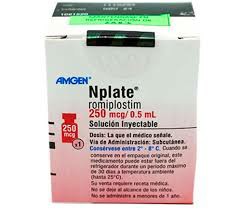
From the perspective of clinical treatment,NMPA-approved indications cover eight major clinical application scenarios, including chronic immune thrombocytopenia (ITP) and chemotherapy-related thrombocytopenia. Innovative phase III clinical data shows that 83.6% of ITP patients who continue to receive loplastin treatment can achieve a stable platelet count at ≥50×10^9/L within an 8-week course of treatment. What is even more noteworthy is that more than 60% of chronic ITP patients can achieve treatment reduction or even discontinuation, which is nearly three times higher than traditional glucocorticoid treatment options. For refractory cases, drug combination regimens show better synergistic effects. The report shows that the median response period of the combination regimen with rituximab is extended to 11.5 months.
Under the safety monitoring system, the adverse event spectrum of Ropremilast is clearly dose-related. Big data research shows that the incidence of myelofibrosis is less than0.2%, which is far superior to earlier drugs of the same category. However, for special groups with eosinophilia and high-risk characteristics of thrombosis, rigorous risk-benefit assessment is required. It is worth noting that the application of dynamic platelet monitoring strategy can reduce the risk of excessive proliferation by 81%, especially the quantified dose adjustment scheme in the early stage of treatment has been included in the latest version of clinical guidelines.
Reference materials:https://en.wikipedia.org/wiki/Romiplostim
[ 免责声明 ] 本页面内容来自公开渠道(如FDA官网、Drugs官网、原研药厂官网等),仅供持有医疗专业资质的人员用于医学药学研究参考,不构成任何治疗建议或药品推荐。所涉药品可能未在中国大陆获批上市,不适用于中国境内销售和使用。如需治疗,请咨询正规医疗机构。本站不提供药品销售或代购服务。


