
.jpeg)
How do I manage decreased appetite while taking sorafenib?
Sorafenib is a multi-target tyrosine kinase inhibitor (TKI), mainly used to treat hepatocellular carcinoma (HC C), advanced renal cell carcinoma (RCC), and differentiated thyroid cancer (DTC). During treatment, loss of appetite is one of the common adverse reactions, which may lead to malnutrition, weight loss, and even affect the patient's treatment compliance. Therefore, proper management of appetite loss is crucial to improve patients' quality of life and treatment outcomes.
First of all, adjusting your diet structure and eating methods is the key. Patients can try small meals with frequent meals and eat 5 u200bu200bto 6 times a day to reduce stomach discomfort. In addition, you can choose high-calorie, high-protein, easy-to-digest foods, such as milk, eggs, fish, soy products, etc., to meet the body's nutritional needs. If patients have difficulty taking in solid food, they can choose nutritional supplements (such as protein powder, oral nutritional solution), or eat light but nutrient-rich liquid or semi-liquid food, such as rice cereal, soup or smoothies.
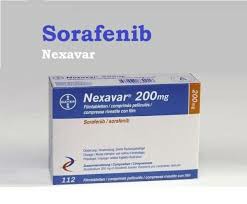
Secondly, controlling the gastrointestinal side effects of sorafenib can help improve appetite. Sorafenib may cause nausea, diarrhea, oral ulcers, etc., which may further aggravate the loss of appetite. For nausea and vomiting, use antiemetics (such as ondansetron) and avoid eating greasy or spicy foods. For diarrhea, use montmorillonite powder or loperamide for relief, and ensure adequate fluid and electrolyte replenishment. In addition, patients with oral ulcers can use a mild mouthwash (such as saline or baking soda) to maintain oral hygiene to reduce discomfort when eating.
Finally, consider drugs or psychological support to promote appetite if necessary. For patients with severe loss of appetite, doctors may prescribe appetite enhancers, such as megestrol acetate or dexamethasone, to increase appetite and improve weight. In addition, patients' psychological factors (such as anxiety, depression) may also affect appetite. Therefore, psychological support, family companionship, and moderate exercise can be used to improve mood and indirectly increase appetite. Comprehensive management of these measures can help alleviate the loss of appetite caused by sorafenib, help patients maintain good nutritional status, and support long-term treatment.
xa0
Reference materials:https://www.nexavar.com/
[ 免责声明 ] 本页面内容来自公开渠道(如FDA官网、Drugs官网、原研药厂官网等),仅供持有医疗专业资质的人员用于医学药学研究参考,不构成任何治疗建议或药品推荐。所涉药品可能未在中国大陆获批上市,不适用于中国境内销售和使用。如需治疗,请咨询正规医疗机构。本站不提供药品销售或代购服务。


