
.jpeg)
How are hormone levels managed during enzalutamide treatment?
Enzalutamide is an androgen receptor (AR) signaling inhibitor, mainly used to treat metastatic castration-resistant prostate cancer (mCRPC) and metastatic hormone-sensitive prostate cancer (mHSPC). During treatment, it is critical to manage the patient's hormone levels to ensure efficacy and reduce potential adverse effects.
First of all, the mechanism of action of enzalutamide is mainly through inhibiting the activity of androgen receptors, rather than directly reducing testosterone levels in the body. Therefore, combined use with luteinizing hormone-releasing hormone (LHRH) agonists or antagonists (such as leuprolide, goserelin, or degarelix) can effectively reduce testosterone levels in the body and achieve a castrated state. In mCRPC patients, it is usually recommended to continue using androgen deprivation therapy (ADT) to minimize the stimulating effect of androgens on cancer cells.
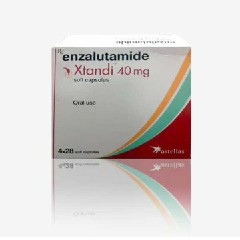
Secondly, although enzalutamide can potently inhibit androgen receptor signaling, some patients may develop mutations or bypass activation of the androgen receptor, leading to the development of drug resistance. Therefore, it is necessary to regularly monitor prostate-specific antigen (PSA) levels during treatment, combined with imaging examinations (such as bone scan, CT/MRI) to evaluate disease progression. If the PSA level continues to rise or imaging shows disease progression, it may indicate treatment resistance and the treatment strategy needs to be adjusted, such as switching to other new endocrine therapy drugs (such as abiraterone combined with prednisone) or chemotherapy (such as docetaxel).
In addition, long-term suppression of androgen signaling may lead to endocrine imbalance and related adverse effects, such as fatigue, osteoporosis, and increased cardiovascular risk. Therefore, managing hormone levels requires not only paying attention to testosterone and PSA, but also regularly monitoring blood lipids, blood sugar, bone density, and cardiovascular health, and taking corresponding prevention and intervention measures, such as supplementing calcium and vitamin D, engaging in regular exercise, and controlling cardiovascular risk factors. By comprehensively managing hormone levels, the therapeutic effects of enzalutamide can be optimized and patients' quality of life improved.
xa0
Reference materials:https://www.xtandi.com/
xa0
[ 免责声明 ] 本页面内容来自公开渠道(如FDA官网、Drugs官网、原研药厂官网等),仅供持有医疗专业资质的人员用于医学药学研究参考,不构成任何治疗建议或药品推荐。所涉药品可能未在中国大陆获批上市,不适用于中国境内销售和使用。如需治疗,请咨询正规医疗机构。本站不提供药品销售或代购服务。


