
.jpeg)
Latest news on mavacamten, a new drug for hypertrophic cardiomyopathy
Mavacamten, a new drug for hypertrophic cardiomyopathy, has attracted widespread attention in the treatment field in recent years, especially in its clinical application for patients with obstructive hypertrophic cardiomyopathy (HCM). According to the latest research data, Mavaceta continues to demonstrate good efficacy in more than 600 patients accepted through the FDA's Risk Evaluation and Mitigation Strategy (REMS) program. Specifically, a very small number of patients developed left ventricular dysfunction or heart failure after taking the drug for one year, which undoubtedly brings new hope to many patients.
These findings not only confirm the favorable results of earlier studies, but also further expand the sample scope and enhance the credibility of the study. Dr. Desai pointed out that in this study, most patients were able to achieve the desired therapeutic effect with only a daily dose of 5 or 10 mg, which echoes previous data obtained in the VALOR-HCM trial, indicating that mavacartide can effectively improve the quality of life of HCM patients and delay or avoid the need for shorter treatment intervals.
As a new cardiac myosin inhibitor, Mavacate is the first drug approved for the treatment of symptomatic obstructive HCM. In a Phase 3 clinical trial, the drug demonstrated the ability to improve patients' left ventricular outflow tract (LVOT) gradients, symptoms, and physical function while reducing the need for septal reduction therapy (SRT). However, it is important to note that Mavacartide may reduce left ventricular ejection fraction (LVEF), leading to heart failure, so the drug is only available through the REMS program. The program requires monitoring of patients with heart failure and LVEF less than 50%, as well as periodic echocardiographic evaluations to ensure safe use.
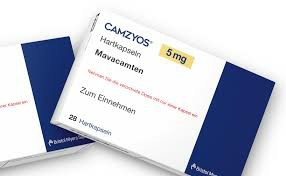
According tothe REMS database, from April 2022 to February 2024, a total of 6,299 patients received one or more doses of Marvaceta. Among them, 60% of patients are women and 65% of patients are over 60 years old. Of the 5573 patient status forms submitted, only 256 (4.6%) reported LVEF less than 50%, 71 (1.3%) were hospitalized for heart failure, and only 17 (0.3%) reported both conditions. The data showed that an even lower rate was reported compared with the 1,929 patients who had been treated with Mavacartide for one year or more, demonstrating the drug's good tolerability and safety profile. For patients taking it for a year or more, only 78 (4.0%) reported LVEF less than 50%, 29 (1.5%) were hospitalized for heart failure, and 4 (0.2%) resumed treatment after a dose reduction.
In other key findings, the study also observed postImprovement of Post-Valsalva LVOT gradient. Among 3228 patients who received at least 6 months of treatment, 57% recorded a Post-Valsalva LVOT gradient of less than 30 mmHg at 3 months, rising to 70% at 6 months. Furthermore, the majority of patients (97%) initiated treatment at the recommended daily dose of 5 mg, and of those who received at least 6 months of treatment, 74% continued on 5 mg or 10 mg to maintain the vLVOT gradient decline, while only 6% required adjustment to the highest dose of 15 mg.
Reference materials:https://consultqd.clevelandclinic.org/rems-update-mavacamten-still-effective-in-treating-real-world-patients-with-hcm
[ 免责声明 ] 本页面内容来自公开渠道(如FDA官网、Drugs官网、原研药厂官网等),仅供持有医疗专业资质的人员用于医学药学研究参考,不构成任何治疗建议或药品推荐。所涉药品可能未在中国大陆获批上市,不适用于中国境内销售和使用。如需治疗,请咨询正规医疗机构。本站不提供药品销售或代购服务。


