
.jpeg)
Mavacamten medical insurance reimbursement ratio table
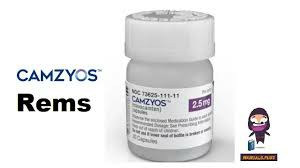
Mavacamten (mavacamten), as an innovative drug for obstructive hypertrophic cardiomyopathy, was approved by the State Food and Drug Administration of China in April 2024 and is marketed under the trade names of Maivantux and CAMZYOS. The drug is available in a variety of dosage forms, including 2.5 mg, 5 mg, 10 mg and 15 mg capsules, aiming to bring treatment options to more patients. Especially in the context of obtaining reimbursement from Class B medical insurance, the financial burden on patients is expected to be alleviated.
In China, the medical insurance system is divided into Category A and Category B. Category A drugs are usually basic drugs and have a higher reimbursement rate; while Category B drugs are reimbursed based on specific circumstances. When Mavakatai is included in Class B medical insurance, although the specific reimbursement ratio is not yet clear, it is expected to reduce the patient's out-of-pocket costs to a certain extent. Under normal circumstances, the reimbursement ratio for Class B drugs may range from 50% to 70%, depending on the policies and implementation of each province and city.
It is worth noting that as a newly launched drug, the market price and medical insurance reimbursement policy of Mavaceta are still being dynamically adjusted. Although the national level has agreed to include it in the scope of medical insurance, local medical insurance institutions may adjust the specific reimbursement ratio and conditions based on local medical resources, economic conditions, patient needs and other actual conditions. Therefore, before using this drug, patients should consult the hospital or medical insurance service window in time to understand the latest medical insurance policies and reimbursement procedures to ensure that they can enjoy the financial support brought by medical insurance to the greatest extent.
In addition to basic medical insurance reimbursement, patients can also pay attention to specific medical assistance policies and drug subsidy programs, which can further reduce patients' financial burden. For example, some localities and medical institutions may launch special assistance for specific diseases to help patients obtain necessary financial support when facing high medical expenses.
Reference materials:https://pmc.ncbi.nlm.nih.gov/articles/PMC10249146/
[ 免责声明 ] 本页面内容来自公开渠道(如FDA官网、Drugs官网、原研药厂官网等),仅供持有医疗专业资质的人员用于医学药学研究参考,不构成任何治疗建议或药品推荐。所涉药品可能未在中国大陆获批上市,不适用于中国境内销售和使用。如需治疗,请咨询正规医疗机构。本站不提供药品销售或代购服务。


