
.jpeg)
Crizotinib resistance management
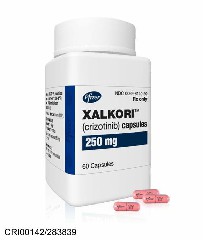
Crizotinib (Crizotinib) is a targeted drug mainly used to treat non-small cell lung cancer (NSCLC) with ALK (anaplastic lymphoma kinase) or ROS1 gene rearrangement. It prevents the proliferation of cancer cells by inhibiting the ALK and ROS1 signaling pathways. However, as treatment progresses, some patients may develop drug resistance, resulting in a weakened or ineffective effect of crizotinib.
Mechanisms of resistance to crizotinib
The occurrence of crizotinib resistance is usually related to genetic mutations and adaptive mechanisms of tumor cells. The following are several common resistance mechanisms:
1. ALK gene mutation: specific mutation occurs at the ALK target site (such as ALK L1196M, G1269A, C1156Y, etc.), the inhibitory effect of crizotinib may be bypassed. These mutations change the site where the drug binds, making crizotinib unable to effectively inhibit ALK activity.
2.Alternative pathway activation: During crizotinib treatment, tumor cells may activate other oncogenic pathways (such asEGFR, MET, KIT, etc.), the activation of these bypass pathways can continue to promote the growth and survival of cancer cells, thereby reducing the therapeutic effect of crizotinib.
3. ROS1 gene mutation: Similar to ALK mutation, ROS1 gene mutation may also cause crizotinib treatment failure. Although rearrangements of the ROS1 gene are relatively rare, when mutations occur, the efficacy of crizotinib may be affected.
4.Drug efflux mechanism: Tumor cells may pass drug efflux pumps (such asP-gp, BCRPetc.) excrete crizotinib out of the cells, resulting in insufficient concentration of the drug within the cells, thereby reducing its anti-cancer effect.
Treatment strategies for crizotinib resistance
1.Replace targeted drugs: For resistance caused by ALK mutations or ROS1 mutations, the use of second- or third-generation targeted drugs may be effective. For example, **Alectinib (Alectinib) and brigatinib (Brigatinib)** are treatments for ALK mutations Drugs, **lorlatinib (Lorlatinib)** are considered to be more effective options for treating ALK and ROS1 mutations. These drugs can overcome resistance to crizotinib, especially in patients with ALK mutations.
2.Combination therapy: For some patients with accessory pathway activation, other drugs can be considered for treatment. For example, EGFR inhibitors are used in combination with crizotinib or chemotherapy to enhance the efficacy.
3.Individualized treatment: Drug-resistant patients need to develop an individualized treatment plan based on the specific resistance mechanism. Through genetic testing, it is confirmed whether the patient has specific drug-resistant mutations, and appropriate drugs or treatment options are selected based on the test results.
4.Clinical trials: For patients who are resistant to crizotinib, participating in clinical trials may be an effective option. Several new drugs and treatment regimens are being tested and may provide new treatment options for drug-resistant patients.
Crizotinib resistance is a common problem during treatment and is usually caused byALK and ROS1Caused by mutations, activation of alternative pathways, or drug efflux mechanisms. For drug-resistant patients, it can be dealt with by changing targeted drugs, combination therapy, or participating in clinical trials. Early detection and individualized treatment are key to combating crizotinib resistance.
[ 免责声明 ] 本页面内容来自公开渠道(如FDA官网、Drugs官网、原研药厂官网等),仅供持有医疗专业资质的人员用于医学药学研究参考,不构成任何治疗建议或药品推荐。所涉药品可能未在中国大陆获批上市,不适用于中国境内销售和使用。如需治疗,请咨询正规医疗机构。本站不提供药品销售或代购服务。


