
.jpeg)
What should I do if I become resistant to eltrombopag?
Eltrombopag is a drug used to treat thrombocytopenia, especially in patients with chronic immune thrombocytopenia (ITP) and certain types of bone marrow disease. It increases platelet count by stimulating the production of platelets in the bone marrow. However, during treatment with eltrombopag, a small number of patients may experience resistance, a phenomenon in which the drug's effect on them is diminished or ineffective.
The causes of drug resistance may include many factors. First, resistance may be related to the patient's immune response, such as the immune system producing anti-drug antibodies, or due to changes in platelet production mechanisms that reduce the effect of eltrombopag. Secondly, individual differences are also a factor in drug resistance. Different patients’ genes, illness conditions, medication history, etc. will affect the effectiveness and drug resistance of the drug. In addition, long-term use of eltrombopag may lead to the development of drug resistance in some patients, especially without strict monitoring and dose adjustment.
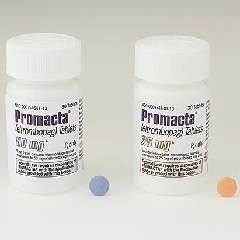
Faced with eltrombopag resistance, patients should communicate with their doctors in a timely manner to find appropriate response strategies. First, doctors may adjust the dose of eltrombopag based on the patient's specific circumstances, or even suspend use of the drug in favor of other treatments. For example, doctors may recommend the use of other platelet production stimulators, such as roflumilast (Romiplostim), or, if appropriate, immunosuppressive therapy or other more personalized treatment options. For immune responses resulting from drug resistance, immunotherapy may be an option to help restore the effectiveness of the drug.
In addition, drug-resistant patients also need to pay attention to whether they have other underlying health problems or complications, which may affect the efficacy of eltrombopag. For example, factors such as liver damage and kidney disease may affect the metabolism of drugs, resulting in weakened drug efficacy. Therefore, regular physical examination and monitoring are crucial.
For some patients who have developed drug resistance, recurrent thrombocytopenia may also require other treatments, such as blood transfusions, bone marrow transplants, etc., especially when drug treatment is ineffective. In summary, management of eltrombopag resistance requires comprehensive consideration of the patient's specific situation, including the cause, drug alternatives, and the risks and benefits of related treatments.
In summary, resistance to eltrombopag is an uncommon but possible occurrence. After patients develop drug resistance, they should seek medical treatment promptly, receive guidance from professional doctors, and make adjustments according to individualized treatment plans. Through medication adjustments, immunotherapy, or other treatments, patients can effectively control their condition and restore their platelet count.
[ 免责声明 ] 本页面内容来自公开渠道(如FDA官网、Drugs官网、原研药厂官网等),仅供持有医疗专业资质的人员用于医学药学研究参考,不构成任何治疗建议或药品推荐。所涉药品可能未在中国大陆获批上市,不适用于中国境内销售和使用。如需治疗,请咨询正规医疗机构。本站不提供药品销售或代购服务。


