
.jpeg)
How effective is Rozebalamin (methylcobalamin) in treating ALS?
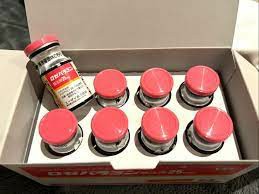
Rozebalamin (methylcobalamin) is a drug produced by Eisai Co., Ltd. (Eisai Co., Ltd. ). As a new drug for the treatment of amyotrophic lateral sclerosis (ALS, also known as ALS), it has been marketed and approved in Japan. ALS is a progressive neurodegenerative disease that mainly causes the patient's motor neurons to gradually die, leading to muscle weakness, atrophy and physical dysfunction. Since there is currently no cure for ALS, treatment mainly focuses on slowing the progression of the disease and improving patients' quality of life. As a vitamin-like B12 drug, methylcobalamin has received widespread attention for its therapeutic effect.
1. Neuroprotective effect
Methylcobalamin’s mechanism of action has not been fully elucidated, but studies have shown that it may play an important role in neuroprotection. Methylcobalamin is an active form of vitamin B12 that promotes metabolism and repair in the nervous system. It helps improve nerve axon regeneration and repair, as well as enhance nerve cell function. For patients with ALS, methylcobalamin may slow the loss of muscle function caused by nerve damage through these mechanisms.
Non-clinical research results show that methylcobalamin may slow down the degeneration process of nerve cells to a certain extent by promoting the release of nerve growth factor (NGF) and other nerve repair factors. For ALS patients, especially those experiencing muscle wasting and dysfunction, methylcobalamin can help slow disease progression and reduce symptoms of muscle weakness.
2. Improve motor function
Although methylcobalamin is not a radical cure for ALS, clinical trials have shown that it can improve patients' motor function to a certain extent and slow down the further progression of the disease. Studies have shown that the use of methylcobalamin can help patients maintain their exercise ability for a longer period of time, especially in early and mid-stage ALS patients, with a more significant symptom relief effect.
In addition, methylcobalamin is believed to have a protective effect on some motor neurons, which may be one of the reasons why it can slow down the decline of motor function. According to a clinical study of ALS patients, those taking methylcobalamin experienced a slight improvement in the rate at which dysfunction progressed. Although this effect cannot completely reverse the condition, it can at least maintain the patient's quality of life for a period of time.
3. Delay the decline in quality of life
For ALS patients, it is crucial to maintain the ability to move independently for a longer period of time. As the condition worsens, patients' daily life will be affected, and they may even lose basic abilities such as walking and swallowing. One of the main functions of methylcobalamin is to help patients maintain a certain ability to take care of themselves in daily life by slowing the progression of functional disorders. For example, many ALS patients who take methylcobalamin are able to maintain a degree of muscle control and reduce symptoms related to difficulty breathing and swallowing. This effect of delaying functional decline significantly improves the patient's quality of life and reduces the burden of home care.
4. Clinical Trials and Patient Feedback
Methylcobalamin, as a drug for the treatment of ALS, has gone through multiple clinical trials and received certain positive feedback. In Japan, after multiple clinical studies, methylcobalamin has been proven to be able to delay the progression of the disease to a certain extent. Especially in patients initially diagnosed with ALS, the therapeutic effect of methylcobalamin is more significant. These studies provide reliable basis for the clinical application of the drug and make it a new option for the treatment of ALS.
However, it should be noted that methylcobalamin is not a drug that can cureALS, and its therapeutic effect varies depending on individual differences. Some patients may have a significant response to the drug, with symptoms relieved and the course of the disease prolonged; but for some patients, the treatment effect may be limited. Therefore, when using methylcobalamin, patients need to communicate closely with their doctors, monitor the effects of the drug, and adjust the treatment plan in a timely manner.
Overall, Rozebalamin (methylcobalamin), as a drug for the treatment of ALS (ALS), has a certain effect, mainly slowing down the progression of the disease, delaying the emergence of functional disorders, and improving patients' exercise ability and quality of life. Although it cannot cure ALSALS, it has shown good results in helping patients maintain their ability to take care of themselves in daily life and delay muscle atrophy and neurological decline. As more clinical data accumulate, methylcobalamin's role in ALS treatment will become clearer. ForALSFor patients, methylcobalamin may become an effective adjunctive treatment option to help improve their quality of life during long-term disease management.
xa0
References:
[1]https://pins.japic.or.jp/pdf/newPINS/00071540.pdf
[2]https://www.eisai.com/news/2024/news202487.html
[ 免责声明 ] 本页面内容来自公开渠道(如FDA官网、Drugs官网、原研药厂官网等),仅供持有医疗专业资质的人员用于医学药学研究参考,不构成任何治疗建议或药品推荐。所涉药品可能未在中国大陆获批上市,不适用于中国境内销售和使用。如需治疗,请咨询正规医疗机构。本站不提供药品销售或代购服务。


