
.jpeg)
Precautions for tremelimumab
Tremelimumab is a monoclonal antibody that blocks T cell inhibitory signals induced by the CTLA-4 pathway. Patients should be careful about the occurrence of serious and fatal immune-mediated adverse reactions during treatment.
1. Immune-mediated pneumonitis: Immune-mediated pneumonitis occurred in 1.3% of patients, including fatal (0.3%) and grade 3 (0.2%) adverse reactions. The event resolved in 3 of 5 patients and permanently discontinued treatment in 1 patient. All patients required systemic corticosteroids; of these, 4 patients required high-dose corticosteroid therapy (at least 40 mg of prednisone or equivalent daily) and one patient (1/5) required additional immunosuppressants.
2. Immune-mediated colitis or diarrhea : 6% of patients developed immune-mediated colitis or diarrhea, including Grade 3 (3.6%) adverse reactions. The event resolved in 22 of 23 patients and permanently discontinued treatment in 5 patients. All patients received systemic corticosteroids, 20 of 23 patients received high-dose corticosteroids, and three patients also received other immunosuppressants.
3. Immune-mediated hepatitis: Immune-mediated hepatitis occurred in 7.5% of patients, including fatal (0.8%), grade 4 (0.3%) and grade 3 (4.1%) adverse reactions. The event resolved in 12 of 29 patients and permanently discontinued treatment in 9 patients. All 29 patients required systemic corticosteroids, and all 29 patients required high-dose corticosteroid therapy, and eight patients (8/29) required other immunosuppressants.
4. Immune-mediated adrenal insufficiency: 1.3% of patients developed immune-mediated adrenal insufficiency, including grade 3 (0.3%) adverse reactions. Events resolved in 2 of 6 patients, among others. All 6 patients required systemic corticosteroids, with 1 patient requiring high-dose corticosteroid therapy.
5. Hypophysitis: 1% of patients developed immune-mediated hypophysitis/hypopituitarism. Hypophysitis may present with acute symptoms related to mass effect, such as headache, photophobia, or visual field defects, includingGrade 3 (0.5%) adverse reactions. The incident resulted in one patient permanently discontinuing the drug. Six patients with immune-mediated hypophysitis required systemic corticosteroids; of these, 2 of 8 patients received high-dose corticosteroids, and 4 patients also required endocrine therapy.
6. Immune-mediated thyroiditis: 1.5% of patients developed immune-mediated thyroiditis. Thyroiditis may be accompanied by or without endocrine disorders. Hyperthyroidism can lead to hypothyroidism. 4.6% of patients developed immune-mediated hyperthyroidism. 11% of patients developed immune-mediated thyroiditis. of patients developed immune-mediated hypothyroidism, all requiring additional treatment including hormone replacement therapy, methimazole, carbimidazole, propylthiouracil, perchlorate, calcium channel blockers, or beta-blockers.
7. Type 1 diabetes: 0.5% of patients develop immune-mediated type 1 diabetes, which can manifest as diabetic ketoacidosis. Depending on the severity, the combined use of temselimumab and durvalumab should be suspended or permanently discontinued.
8. Immune-mediated nephritis: Immune-mediated nephritis occurred in 0.7% of patients, including Grade 3 (0.5%) adverse reactions. The events were resolved in 3 of 4 patients and permanently discontinued in 2 patients. All patients with immune-mediated nephritis require systemic corticosteroids, and some require high-dose corticosteroids.
9. Immune-mediated dermatological reactions: Immune-mediated rash or dermatitis occurred in 4.9% of patients, including Grade 3 (0.3%) adverse reactions, including Stevens Johnson syndrome (SJS), drug rash with eosinophilia and systemic symptoms (DRESS), and toxic epidermal necrolysis (TEN). Topical emollients and/or topical corticosteroids may be sufficient to treat mild to moderate nonexfoliative rashes
10. Immune-mediated pancreatitis: Immune-mediated pancreatitis occurred in 2.3% of patients, including grade 4 (0.3%) and grade 3 (1.5%) adverse reactions. Events resolved in 6 of 9 patients. All nine patients required systemic corticosteroids, with seven requiring high-dose corticosteroid therapy.
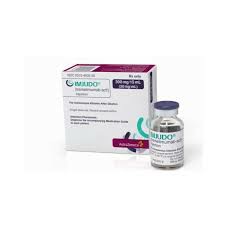
Tesetumumab is an emerging cancer immunotherapy drug that has not yet been launched in China, so it has not been included in the medical insurance. Domestic patients cannot yet purchase this drug. The U.S. version of temsitumumab’s original drug has been on the market overseas for a short time, and the price is not yet clear. There is currently no known generic version of temsitumumab that has been produced and launched. For specific prices and drug details, please consult Yaode’s medical consultant.
[ 免责声明 ] 本页面内容来自公开渠道(如FDA官网、Drugs官网、原研药厂官网等),仅供持有医疗专业资质的人员用于医学药学研究参考,不构成任何治疗建议或药品推荐。所涉药品可能未在中国大陆获批上市,不适用于中国境内销售和使用。如需治疗,请咨询正规医疗机构。本站不提供药品销售或代购服务。


