
.jpeg)
Anagrelide functions and indications
Anagrelide (Anagrelide) is an antiplatelet drug mainly used to treat adult patients with idiopathic Thrombocytopenic Purpura (Idiopathic Thrombocytopenic Purpura, ITP). ITP is an immune-mediated thrombocytopenic bleeding disorder characterized by an elevated peripheral blood platelet count, resulting in bleeding tendencies.
Anagrelide exerts its therapeutic effects by regulating the production and breakdown of platelets. It does this primarily by inhibiting the production of platelets in the bone marrow and promoting their breakdown. The following is a detailed explanation of the functions and indications of anagrelide:
1.Inhibition of platelet production: anagrelide reduces the production of platelets by inhibiting the differentiation and maturation of megakaryocytes. Megakaryocytes are precursor cells in the bone marrow that mature into platelets. Anagrelide acts on megakaryocytes, inhibiting their differentiation and maturation processes, thereby reducing platelet production.
2.Promote the decomposition of platelets: anagrelide can increase the decomposition rate of platelets in the peripheral circulation, thereby reducing the number of platelets. After a certain lifetime in the peripheral circulation, platelets are broken down and then cleared by macrophages in the liver and spleen. Anagrelide promotes macrophage clearance of platelets, thereby lowering platelet counts.
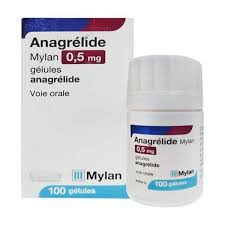
Through the above mechanism, anagrelide can effectively control the platelet count and reduce bleeding tendency and related symptoms in patients with idiopathic thrombocythemia (ITP). However, anagrelide is not a cure for ITP. It is mainly used to control the condition and maintain the platelet count within a safe range.
The use of anagrelide requires dose adjustment based on the patient's specific condition and the doctor's recommendations. Typically, the recommended starting dose is 0.5 mg two times daily. The dose may be gradually increased based on the patient's platelet count and tolerance. The maximum dose is 2.5mg, 2 times daily. The medication should be carried out under the supervision of a doctor, and platelet counts should be performed regularly.
Although anagrelide is an effective treatment, it may cause some side effects. Common side effects include cardiovascular side effects (such as tachycardia, arrhythmia), digestive system side effects (such as nausea, vomiting, abdominal pain), nervous system side effects (such as headache, dizziness, fatigue), and blood system side effects (such as anemia, leukopenia), etc. When using anagrelide, it is necessary to pay close attention to the patient's condition and the occurrence of side effects, and adjust the dose or take other intervention measures if necessary.
In summary, anagrelide, as an antiplatelet drug, plays an important role in the treatment of idiopathic thrombocythemia (ITP). It controls platelet counts by inhibiting the production of platelets and promoting their breakdown, reducing bleeding tendencies and related symptoms. However, before using anagrelide, patients should consult their doctor and strictly follow the doctor's instructions to obtain the best efficacy and avoid adverse reactions.
Anagrelide is not yet on the market in China, so patients cannot purchase it domestically and need to purchase the drug through overseas channels. Anagrelide only has the original drug. Outside the mainland, there is the Hong Kong version of the original drug and the foreign Turkish original drug. The price is around 1280 yuan.
[ 免责声明 ] 本页面内容来自公开渠道(如FDA官网、Drugs官网、原研药厂官网等),仅供持有医疗专业资质的人员用于医学药学研究参考,不构成任何治疗建议或药品推荐。所涉药品可能未在中国大陆获批上市,不适用于中国境内销售和使用。如需治疗,请咨询正规医疗机构。本站不提供药品销售或代购服务。


