
.jpeg)
What are the adverse reactions of Anagrelide?
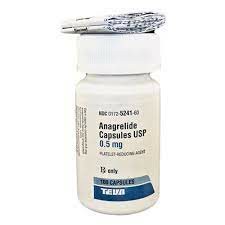
Anagrelide (Anagrelide) is a drug used to treat essential thrombocythemia (essential thrombocythemia, ET). Although it is effective in controlling platelet counts, use of anagrelide may cause some adverse effects. The following is a detailed description of the common and serious adverse reactions of anagrelide:
Common adverse reactions (incidence>10%):
1.Headache: Headache is one of the most common adverse reactions when using anagrelide. Headaches are usually mild to moderate and may be related to vasodilation or changes in blood flow.
2.Nausea: Use of anagrelide may cause nausea and vomiting. The discomfort is usually mild, but may sometimes affect appetite and quality of life.
3.Abdominal pain: Abdominal pain and discomfort are common adverse reactions that may be related to digestive system reactions or changes in blood flow.
4.Diarrhea: Some patients may experience diarrhea while taking anagrelide. This may be due to the effects of the medication causing intestinal motility to increase.
5.Tachycardia: Tachycardia is the feeling of the heart beating rapidly. Some patients have reported discomfort with tachycardia after taking anagrelide.
6.Flushing: Anagrelide may cause a flushing sensation in the face and neck, which is caused by dilation of blood vessels and increased blood flow.
Other common adverse reactions include fatigue, chest pain, weight loss, loss of appetite, gastrointestinal discomfort, heartburn, rash, skin itching, muscle aches and joint pain. These reactions are usually mild to moderate and gradually lessen or disappear over time as treatment progresses.
Severe adverse reactions (incidence<1%):
1.Arrhythmias: The use of anagrelide may cause arrhythmias, such as atrial fibrillation, ventricular tachycardia and ventricular fibrillation. These situations may require special medical intervention.
2.Thrombocytopenia: During the use of anagrelide, individual patients may experience a significant decrease in platelet count. This may increase the risk of bleeding, so close monitoring and guidance from a doctor are needed.
3.Valvular heart disease: In some isolated cases, there has been an association between long-term use of anagrelide and heart valve disease (especially mitral valve). This may require regular cardiac monitoring and evaluation.
It should be noted that the above listed adverse reactions are not exhaustive and there are other less common adverse reactions. When using anagrelide, patients should pay close attention to their physical condition and inform their doctor immediately if they have any discomfort or questions.
The severity and frequency of adverse reactions vary from person to person and are affected by individual differences, dose, duration of treatment, and the patient's underlying condition. When using anagrelide, doctors will monitor the patient's specific condition and make dose adjustments or other interventions as needed.
In summary, anagrelide is a drug for the treatment of essential thrombocythemia, but some adverse reactions may occur during use. Common adverse reactions include headache, nausea, abdominal pain, diarrhea, and tachycardia, while serious adverse reactions may include arrhythmia, thrombocytopenia, and heart valve disease. When using anagrelide, patients should pay close attention to their physical condition, communicate with their doctor and seek help in a timely manner.
Anagrelide is not yet on the market in China, so patients cannot purchase it domestically and need to purchase the drug through overseas channels. Anagrelide only has the original drug. Outside the mainland, there is the Hong Kong version of the original drug and the foreign Turkish original drug. The price is around 1280 yuan.
[ 免责声明 ] 本页面内容来自公开渠道(如FDA官网、Drugs官网、原研药厂官网等),仅供持有医疗专业资质的人员用于医学药学研究参考,不构成任何治疗建议或药品推荐。所涉药品可能未在中国大陆获批上市,不适用于中国境内销售和使用。如需治疗,请咨询正规医疗机构。本站不提供药品销售或代购服务。


