
.jpeg)
What is the difference between Anagrelide and hydroxyurea? Which one is better?
Anagrelide and hydroxyurea (Hydroxyurea) are two drugs commonly used to treat idiopathic thrombocythemia (essential thrombocythemia, ET). Although they can both help control platelet counts, there are some differences in their mechanisms of action, efficacy, side effects, and indications. The characteristics of anagrelide and hydroxyurea will be described in detail below, and their advantages and disadvantages will be compared.
The differences between anagrelide and hydroxyurea in the treatment ofET are as follows:
1.Mechanism of action: Anagrelide: Anagrelide reduces the production and release of platelets by inhibiting the process of platelet production. It achieves this purpose by inhibiting the activity of phosphonucleotide cyclase (phosphodiesterase).
Hydroxyurea: Hydroxyurea interferes with the process of bone marrow cell division and proliferation by inhibiting the synthesis ofDNA, thereby inhibiting abnormal proliferation of platelets.
2.Efficacy: Anagrelide: Anagrelide can effectively reduce platelet count and reduce the risk of complications such as blood clots and bleeding. It achieves its therapeutic effect primarily by inhibiting platelet production.
Hydroxyurea: Hydroxyurea can also lower platelet counts, control ET symptoms, and reduce the risk of thrombosis and bleeding. Hydroxyurea has certain antiproliferative and antitumor activities.
3.Side effects: Anagrelide: Common side effects include headache, tachycardia, nausea, abdominal pain and gastrointestinal discomfort. Serious side effects are relatively rare but may include heart valve disease, arrhythmias, and low platelets.
Hydroxyurea: Common side effects include nausea, vomiting, mouth sores, diarrhea, dry skin, and pain. Serious side effects may include bone marrow suppression, liver damage, and immune system suppression.
4.Indications: Anagrelide: Anagrelide is mainly used to treat idiopathic thrombocythemia, especially when the patient cannot tolerate or is ineffective on hydroxyurea therapy.
Hydroxyurea: Hydroxyurea is a first-line drug for the treatment of idiopathic thrombocythemia and is widely used in patients whose platelet counts cannot be controlled by other methods.
5.Precautions: Anagrelide: The use of anagrelide requires close monitoring of platelet counts and complete blood counts to assess therapeutic efficacy and side effects. Use with caution in pregnant and nursing women.
Hydroxyurea: The use of hydroxyurea requires regular monitoring of blood cell counts and liver function. Use in pregnant and lactating women should be done with caution and the risks and benefits should be weighed.
Taken together, anagrelide and hydroxyurea are two drugs commonly used to treat essential thrombocythemia. There are some differences between them in terms of mechanism of action, efficacy, side effects and indications. The choice of drug should be evaluated and decided based on the patient's specific situation, severity of illness, drug tolerance, and physician recommendations. It is important to have a detailed discussion and consultation with your doctor before using any medication, and to use it strictly in accordance with your doctor's instructions.
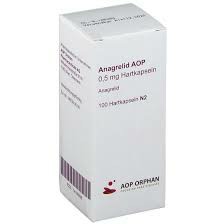
Anagrelide is not yet on the market in China, so patients cannot purchase it domestically and need to purchase the drug through overseas channels. Anagrelide only has the original drug. Outside the mainland, there is the Hong Kong version of the original drug and the foreign Turkish original drug. The price is around 1280 yuan.
[ 免责声明 ] 本页面内容来自公开渠道(如FDA官网、Drugs官网、原研药厂官网等),仅供持有医疗专业资质的人员用于医学药学研究参考,不构成任何治疗建议或药品推荐。所涉药品可能未在中国大陆获批上市,不适用于中国境内销售和使用。如需治疗,请咨询正规医疗机构。本站不提供药品销售或代购服务。


