
.jpeg)
The difference between atorvastatin calcium and rosuvastatin
Atorvastatin Calcium and Rosuvastatin (Rosuvastatin) are two commonly used statins, used to reduce cholesterol and lipoprotein levels and prevent cardiovascular diseases. Although they belong to the same class of drugs, there are some differences in some aspects. Here are some of the key differences between atorvastatin calcium and rosuvastatin:
1.Indications: Atorvastatin calcium tablets and rosuvastatin have slightly different indications. Atorvastatin calcium tablets are indicated for the treatment of hypercholesterolemia and hyperlipoproteinemia, including familial hypercholesterolemia and non-familial hypercholesterolemia. Rosuvastatin is widely used in the management of high cholesterol, high triglyceride and low-density lipoprotein cholesterol levels.
2.Cholesterol-lowering effect: Although the goal of atorvastatin calcium tablets and rosuvastatin is to reduce cholesterol levels, some studies have shown that rosuvastatin may be slightly more effective than atorvastatin calcium tablets in reducing LDL cholesterol. However, this difference may not be significant in clinical practice.
3.Drug selection: The choice of atorvastatin calcium tablets and rosuvastatin is usually based on individual circumstances and patient needs. Doctors consider a patient's cholesterol levels, background medical conditions, drug interactions and potential risk of side effects to determine the most appropriate drug.
4.Safety: Atorvastatin calcium tablets and rosuvastatin perform well in terms of safety, but individual responses may vary. Some people may be more sensitive to one of these drugs or may be more likely to have side effects when using one of these drugs. Therefore, when using these drugs, individual response and safety need to be evaluated and monitored by a physician.
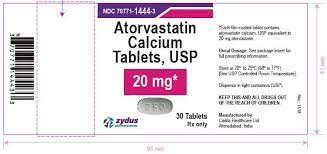
5.Chemical structure: The chemical name of atorvastatin calcium tablets is calcium salt, and its chemical structure is slightly different from other statins. The chemical structure of rosuvastatin is similar to other statins.
6.Strength: Rosuvastatin is considered a high-intensity statin, while atorvastatin is considered a moderate-intensity statin. This means that rosuvastatin may have a greater ability to lower cholesterol.
7.Bioavailability: Rosuvastatin has a higher bioavailability, about 20-30%, while atorvastatin has a lower bioavailability, about 14%. This means that a relatively small dose of rosuvastatin may have a similar cholesterol-lowering effect as a relatively large dose of atorvastatin.
8.Duration of action: Rosuvastatin has a long duration of action, so a once-daily dose is usually sufficient. Atorvastatin has a shorter duration of action, so it may need to be taken twice daily.
9.Dosage range: Rosuvastatin is available in a relatively wider dosage range, ranging from 5mg to 40mg. Atorvastatin dosages typically range from 10mg to 80mg.
10.Drug Interactions: Rosuvastatin may interact more significantly with certain drugs, and dosage adjustments may be required when used with other drugs (such as antifungals and some antibiotics). Atorvastatin has relatively few drug interactions.
11.Price: In some areas, atorvastatin is generally less expensive than rosuvastatin. However, prices may vary by region and pharmacy.
It should be noted that atorvastatin calcium tablets and rosuvastatin are prescription drugs, and you should consult a doctor or pharmacist for guidance before use. They all belong to the statin class, which reduces cholesterol synthesis by inhibiting the activity of HMG-CoA reductase, thereby reducing total cholesterol and low-density lipoprotein cholesterol levels and preventing cardiovascular disease. Which drug to use should be determined based on individual circumstances, cholesterol levels, and your doctor's advice.
[ 免责声明 ] 本页面内容来自公开渠道(如FDA官网、Drugs官网、原研药厂官网等),仅供持有医疗专业资质的人员用于医学药学研究参考,不构成任何治疗建议或药品推荐。所涉药品可能未在中国大陆获批上市,不适用于中国境内销售和使用。如需治疗,请咨询正规医疗机构。本站不提供药品销售或代购服务。


