
.jpeg)
Precautions while using tocilizumab
Tocilizumab is an immunomodulator that combines with the human cytokine interleukin-6 (IL-6). It is mainly used to treat rheumatoid arthritis and some other autoimmune diseases. It is given by intravenous or subcutaneous injection. Patients should pay attention to the occurrence of serious infections, gastrointestinal perforation, hepatotoxicity, immunosuppression, allergic reactions, demyelinating diseases, active liver disease and liver damage.
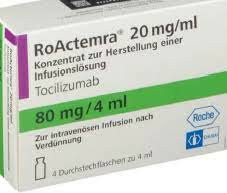
1. Serious infections: Serious and even fatal infections caused by bacteria, mycobacteria, invasive fungi, viruses, protozoa, or other opportunistic pathogens have been reported in patients receiving immunosuppressive therapy, including tocilizumab. The most common serious infections include pneumonia, urinary tract infection, cellulitis, herpes zoster, gastroenteritis, diverticulitis, sepsis, and bacterial arthritis. Monitor patients closely for the development of signs and symptoms of infection during and after tocilizumab therapy, as signs and symptoms of acute inflammation may be attenuated by suppression of acute phase reactants. Withhold tocilizumab if the patient develops a serious infection, opportunistic infection, or sepsis.
2. Gastrointestinal perforation: Gastrointestinal perforation events have been reported in clinical trials, mainly complications of diverticulitis in patients treated with tocilizumab. Patients with an increased risk of gastrointestinal perforation should use tocilizumab with caution.
3. Hepatotoxicity: Cases of severe liver injury, some of which resulted in liver transplantation or death, have been observed in patients receiving intravenous or subcutaneous tocilizumab. Time to onset of cases ranged from months to years after initiation of tocilizumab treatment. For patients with rheumatoid arthritis (RA), giant cell arteritis (GCA), and systemic sclerosis-related interstitial lung disease (SSc-ILD), perform liver testing before starting tocilizumab, every 4 to 8 weeks after starting treatment 6 months before treatment, and every 3 months thereafter.
4. Immunosuppression: Tocilizumab is an immunosuppressant. Treatment with immunosuppressants may increase the risk of malignant tumors. In clinical studies, malignant tumors have been observed.
5. Anaphylaxis: Tocilizumab can cause allergic reactions (including anaphylaxis) and other allergic reactions. Intravenous infusion of tocilizumab can cause fatal allergic events. Reactions that require discontinuation of treatment include systemic erythema, rash and urticaria. Injection site reactions are classified separately. If allergic reactions or other hypersensitivity reactions occur, please stop using tocilizumab immediately and permanently discontinue tocilizumab.
6. Demyelinating diseases: The impact of tocilizumab treatment on demyelinating diseases is unclear, but multiple sclerosis and chronic inflammatory demyelinating polyneuropathy are rarely reported in clinical studies of rheumatoid arthritis.
7. Active liver disease and liver damage: Tocilizumab treatment is not recommended for patients with active liver disease or liver function damage.
8. Vaccination: Avoid the simultaneous use of live vaccines and tocilizumab. IL-6 inhibition may interfere with the normal immune response to neoantigens. There is no data on secondary transmission of infection from people who received live vaccines to patients who received tocilizumab.
TocilizumabThe original drug has been launched in China and has been included in the medical insurance. Due to its short time on the market, the second-line treatment of systemic juvenile idiopathic arthritis is still limited to traditional treatments for rheumatoid arthritisDMARDs To treat patients whose disease activity has decreased by less than 50% in 3 to 6 months, Tocilizumab injection can only be used as directed by the doctor. Its price is around RMB 8,600, which is relatively expensive. The price of the European version of tocilizumab original drug available overseas is around around RMB 14,000 (the price may fluctuate due to the exchange rate). The ingredients and efficacy of the two drugs are basically the same. Currently, there are no generic drugs produced and marketed overseas, and patients can choose by themselves.
[ 免责声明 ] 本页面内容来自公开渠道(如FDA官网、Drugs官网、原研药厂官网等),仅供持有医疗专业资质的人员用于医学药学研究参考,不构成任何治疗建议或药品推荐。所涉药品可能未在中国大陆获批上市,不适用于中国境内销售和使用。如需治疗,请咨询正规医疗机构。本站不提供药品销售或代购服务。


