
.jpeg)
Patients’ personal experiences after taking Ribociclib (Kaillon) for one year, including efficacy stability and side effects
Ribociclib is an oral selective CDK4/6 inhibitor, mainly used for patients with hormone receptor-positive, HER2-negative advanced or metastatic breast cancer. In clinical practice, patient feedback after taking ribociclib for one year shows that it has a relatively stable effect in inhibiting tumor growth. In many patients, tumor marker levels are controlled and disease progression is significantly slowed down after combined with endocrine therapy (such as letrozole or fulvestrant). Imaging examinations of some patients show that the tumor volume remains stable or slightly reduced, and clinical symptoms such as pain and fatigue are also relieved, which is helpful in maintaining quality of life. Long-term follow-up data demonstrate that ribociclib's stability in efficacy can provide patients with ongoing disease management options.
In terms of side effects, patients who took it for one year generally reported that the most common adverse reactions were mild to moderate leukopenia, especially neutropenia, which requires regular blood routine monitoring. Some patients experience mild fatigue, nausea, diarrhea or mild hair loss, but most can be relieved by adjusting the dosage, extending the medication interval, or cooperating with symptomatic treatment. ECG monitoring shows that a small number of patients are at risk of prolonging the QT interval. Therefore, long-term medication needs to be combined with cardiac function assessment, and dosage adjustments or temporary discontinuation of medication should be made if necessary. Overall, these side effects are relatively controllable, and patients can use it safely and long-term under the guidance of physicians.
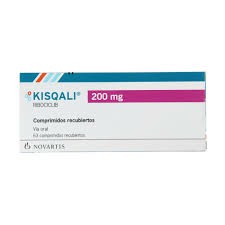
From the perspective of patient experience, some patients emphasized that while taking ribociclib for one year, their quality of life improved compared to the chemotherapy treatment period. Compared with traditional intravenous chemotherapy, oral medication reduces the inconvenience of frequent hospitalization or infusions, making it easier for patients to maintain a normal rhythm at home and work. In addition, ribociclib combined with endocrine therapy can reduce the problem of single-drug resistance to hormone therapy, thereby prolonging the disease remission time. This is also an important reason why patients choose long-term medication. Patients are generally advised to strictly abide by medical instructions and monitor blood and liver and kidney functions on a regular basis to minimize risks.
Long-term follow-up data also show that some patients can still maintain stable disease or even shrink some tumors after one year, indicating that ribociclib has a reliable effect in delaying disease progression. At the same time, there are also cases where patients experience weakened efficacy, which is mainly related to individual differences, disease genetic characteristics and combined medication regimens. This suggests that clinicians need to combine imaging and biomarkers to dynamically evaluate the efficacy during use, and adjust the treatment plan according to the patient's condition to ensure the accuracy and effectiveness of medication.
For patients, the overall experience after taking ribociclib for one year was positive. Most patients can tolerate the side effects of drugs, and the disease control effect is significantly better than endocrine monotherapy. Physicians recommend regular monitoring of blood routine, liver and kidney function, and electrocardiogram during medication, while maintaining a healthy lifestyle, such as appropriate exercise, a balanced diet, and psychological support to improve tolerance and quality of life. Communication among patients also shows that early detection of side effects and timely treatment are crucial to maintaining long-term treatment.
In short, the one-year experience of taking ribociclib shows that its efficacy is stable, side effects are controllable, and it can significantly improve the disease management experience of patients with advanced breast cancer. Long-term follow-up and clinical practice have further confirmed its value in delaying tumor progression, prolonging progression-free survival, and maintaining quality of life. It is an indispensable and important choice in CDK4/6 inhibitor treatment options.
Keyword tags:
Ribociclib,CDK4/6inhibitor, breast cancer, long-term efficacy, side effects, quality of life, routine blood monitoring
Reference materials:https://www.cancer.gov/about-cancer/treatment/drugs/ribociclib
xa0
[ 免责声明 ] 本页面内容来自公开渠道(如FDA官网、Drugs官网、原研药厂官网等),仅供持有医疗专业资质的人员用于医学药学研究参考,不构成任何治疗建议或药品推荐。所涉药品可能未在中国大陆获批上市,不适用于中国境内销售和使用。如需治疗,请咨询正规医疗机构。本站不提供药品销售或代购服务。


