
.jpeg)
Larotinib/Vitakai instructions for usage, dosage and side effects in Chinese version
Larotrectinib(Larotrectinib) is a targeted drug specifically used to treat cancer patients with positive TRK fusion genes (NTRK gene rearrangements). The TRK fusion gene is a common driver gene mutation. Larotrectinib can precisely target this mutation and block the growth of tumor cells. The drug is widely used in the treatment of multiple cancer types, including solid tumors, lung cancer, soft tissue sarcoma, and more.
1. Usage and dosage
The dosing regimen of larotrectinib varies according to the patient's age and body surface area (BSA), and both adult and pediatric patients need to follow a strict dosing schedule.
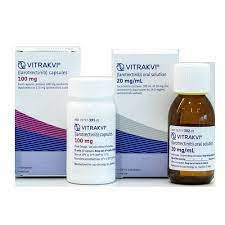
1. Adult patients: The recommended dose of larotrectinib for adult patients is 100 mg, taken twice a day, with or without meals. Patients should take their medications regularly until disease progression occurs or the medication's side effects become unacceptable. Doctors may adjust the dosage based on changes in the patient's condition.
2. Pediatric patients
1) For pediatric patients with body surface area≥1.0 square meters, the recommended dose is the same as for adults, that is, 100 mg twice a day.
2) For pediatric patients with body surface area<1.0 square meters, the recommended dose is 100mg/m², twice daily. These doses should again be adjusted based on disease progression and drug resistance until unacceptable toxicity occurs.
Patients should take larotrectinib according to medical advice and follow the drug dosage and medication schedule to ensure the maximum efficacy of the drug.
3. Precautions when taking medicine
Larotrectinib tablets should be swallowed whole and should not be chewed or broken. Patients need to maintain a fixed daily medication time when taking medication to avoid missing doses. If a dose is missed, it should be replenished as soon as possible that day, and if the missed dose is longer, the dose should be restored to the next day's normal dose.
2. Side effects
Although larotinib's targeting effect makes it effective in treatingTRK gene fusion-positive cancers, larotinib, like other targeted drugs, may also cause some side effects. Most side effects are mild or moderate, usually temporary, and can be alleviated by adjusting the treatment plan or symptomatic treatment.
1. Common side effects
Fatigue: Patients may experience varying degrees of fatigue during larotrectinib treatment. Although this is a common side effect, most patients are able to adapt to it during treatment.
Abnormal liver function: Some patients may experience abnormalities in liver function indicators, such as elevated liver enzymes, when receiving larotrectinib treatment. This requires patients to undergo regular liver function tests to ensure the safety of the drug.
Gastrointestinal discomfort: including nausea, vomiting, loss of appetite, etc. These symptoms are usually mild and can be relieved by adjusting diet or using anti-vomiting drugs.
Skin rash: Some patients may develop a mild rash, which usually does not require discontinuation of medication. However, if the symptoms are severe, they should seek medical treatment in time.
2. More serious side effects
QT interval prolongation: Larotrectinib may cause a prolongation of the QT interval on the electrocardiogram, increasing the risk of irregular heart beating. Therefore, patients should monitor their ECG regularly during treatment to ensure safety.
Allergic reactions: Although relatively rare, some patients may experience allergic reactions, manifesting as difficulty breathing, facial swelling, skin itching and other symptoms. Once they occur, they should seek medical attention immediately.
Larotinib is an effective targeted drug that has shown significant efficacy in the treatment of TRK fusion gene-positive cancers. When taking this drug, patients should strictly follow the doctor's instructions, regularly monitor the therapeutic effects and side effects, and adjust the drug dosage in a timely manner to achieve the best therapeutic effect. During the treatment process, patients should maintain close communication with their doctors to ensure a safe and effective treatment process.
Keyword tags: larotrectinib,Larotrectinib, TRK fusion gene, targeted therapy, non-small cell lung cancer, drug dosage, side effects, liver function monitoring, QT interval prolongation
Reference materials:https://www.bccancer.bc.ca/drug-database-site/Drug%20Index/Larotrectinib_monograph.pdf
[ 免责声明 ] 本页面内容来自公开渠道(如FDA官网、Drugs官网、原研药厂官网等),仅供持有医疗专业资质的人员用于医学药学研究参考,不构成任何治疗建议或药品推荐。所涉药品可能未在中国大陆获批上市,不适用于中国境内销售和使用。如需治疗,请咨询正规医疗机构。本站不提供药品销售或代购服务。


