
.jpeg)
Detailed explanation of the mechanism of action of Tilorisen (Harcos) and its impact on the central arousal system
Pitolisant (Pitolisant) is a histamine H3 receptor antagonist / inverse agonist that exerts pharmacological effects by regulating histamine neural pathways. H3 The receptor mainly exists on the presynaptic membrane of the central nervous system. As an autoreceptor, it can inhibit the release of histamine from histamine neurons. When tilolixen binds to H3 receptors, it blocks this negative feedback inhibition and instead promotes histamine release, thereby increasing histamine levels in the brain. This mechanism is different from traditional central stimulants. It does not directly stimulate the cerebral cortex, but enhances the arousal state through neurotransmission regulation.
Histamine is a key neurotransmitter in the central arousal system. It is mainly released by histaminergic neurons in the posterior hypothalamus and is involved in regulating arousal, attention, cognition and sleep-wake cycle. By enhancing histaminergic transmission, tilorisen can enhance arousal-driven signals in the thalamus-cerebral cortex, improving patients' daytime wakefulness and mental alertness. In pathological conditions such as narcolepsy, this effect can help patients reduce daytime sleepiness and improve attention and cognitive performance.
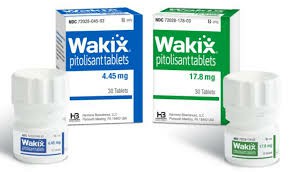
In addition to histamine pathways, increased histamine also indirectly affects other neurotransmitter systems, such as dopamine, norepinephrine, and acetylcholine, which themselves are closely related to attention, mood, and cognitive function. Therefore, the effect of tilolixen on the central arousal system is not a single effect, but a broader improvement of central activity through coordinated regulation of multiple pathways. This is the neuroscience basis for its effectiveness in improving daytime sleepiness, cognitive function, and overall wakefulness.
Compared with traditional central stimulant drugs (such as methylphenidate or amphetamines), tilolixan is not a classic stimulant. It does not directly increase the concentration of monoamine neurotransmitters in synapses, but enhances the signal of arousal neurons by releasing the inhibition of histamine release. Therefore, the risk of dependence and addiction is low, and the spectrum of side effects is also different. Common side effects may include headaches, gastrointestinal discomfort, or insomnia, but they are generally well tolerated.
Keyword tags:
Tilorisen, detailed explanation of its mechanism of action, central arousal system, H3 receptors, histaminergic nerves, differences from traditional stimulants
Reference materials:https://pubmed.ncbi.nlm.nih.gov/28002770/
[ 免责声明 ] 本页面内容来自公开渠道(如FDA官网、Drugs官网、原研药厂官网等),仅供持有医疗专业资质的人员用于医学药学研究参考,不构成任何治疗建议或药品推荐。所涉药品可能未在中国大陆获批上市,不适用于中国境内销售和使用。如需治疗,请咨询正规医疗机构。本站不提供药品销售或代购服务。


