
.jpeg)
Pretomanid’s mechanism of action, pharmacological characteristics and scientific analysis of multi-drug-resistant tuberculosis treatment
Pretomanid (Pretomanid) is a new anti-tuberculosis drug that belongs to the nitroimidazole class of compounds. It mainly exerts its bactericidal effect by inhibiting cell wall synthesis of Mycobacterium tuberculosis and inducing the generation of reactive oxygen species. In a hypoxic environment, putomanid can be specifically reduced by bacteria into active intermediates. These active molecules can destroy bacterial DNA and cell membranes, thereby achieving the killing effect of multi-drug-resistant tuberculosis. This unique dual mechanism of action allows it to show good activity in drug-resistant strains that are ineffective in traditional anti-tuberculosis drug treatments.
In terms of pharmacological characteristics, putomanid is well absorbed orally and has a long half-life, which enables it to maintain stable blood concentration and contribute to regular daily dosing and patient compliance. Its bactericidal effect on tuberculosis bacteria depends on drug concentration and exposure time, and it can still maintain activity in a low-oxygen microenvironment. This is an advantage that traditional anti-tuberculosis drugs are difficult to achieve. In clinical practice, it is often used in combination with drugs such as rifampicin and linezolid to form a three-drug combination regimen for multi-drug-resistant tuberculosis to improve efficacy and reduce the risk of drug resistance.
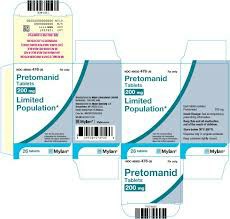
For the treatment of multi-drug-resistant tuberculosis, the clinical value of putomanib is reflected in shortening the treatment course and improving the cure rate. Traditional multi-drug-resistant tuberculosis treatment has a long treatment cycle and obvious side effects. However, the addition of putomanid to the regimen can significantly reduce the bacterial load in a relatively short period of time while maintaining acceptable safety. Multiple clinical studies have shown that putomanid in the combination regimen can significantly increase the sputum negative conversion rate in patients with multi-drug-resistant tuberculosis, and improve clinical symptoms and quality of life.
It should be noted that putomanib still has some safety risks, such as abnormal liver function, gastrointestinal discomfort, or prolongation of QT interval, so regular monitoring is required during use. At the same time, because it is a new type of drug, the marketing and medical insurance policies in different countries and regions vary greatly. Patients should obtain the drug through formal channels and strictly follow doctor's instructions and combination medication regimens to ensure efficacy and safety.
Keyword tags:
Putomanid, mechanism of action, pharmacological characteristics, MDR-TBTreatment, scientific analysis, combination regimen, bactericidal effect, safety reference materials: https://www.ncbi.nlm.nih.gov/pmc/articles/PMC6492271/
[ 免责声明 ] 本页面内容来自公开渠道(如FDA官网、Drugs官网、原研药厂官网等),仅供持有医疗专业资质的人员用于医学药学研究参考,不构成任何治疗建议或药品推荐。所涉药品可能未在中国大陆获批上市,不适用于中国境内销售和使用。如需治疗,请咨询正规医疗机构。本站不提供药品销售或代购服务。


