
.jpeg)
Are Cabozantinib and Anlotinib the same medicine?
Cabozantinib and Anlotinib are both targeted therapy drugs, mainly used for the treatment of cancer. Although there are certain similarities in their mechanisms of action, there are significant differences in specific indications, treatment mechanisms, and side effects, and therefore they cannot be regarded as completely similar drugs.
1. Drug classification and mechanism of action
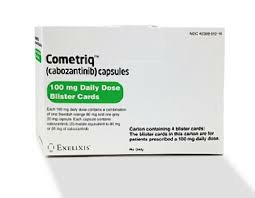
Cabozantinib (Cabozantinib) is a multi-target tyrosine kinase inhibitor that mainly exerts anti-cancer effects by inhibiting angiogenesis and the growth of tumor cells. It targets multiple receptors, including VEGFR (vascular endothelial growth factor receptor), MET (hepatocyte growth factor receptor), and AXL. These targets are closely related to tumor growth, metastasis and angiogenesis, so cabozantinib can effectively inhibit the blood supply and spread of tumors, and is particularly suitable for the treatment of various types of cancer, such as advanced renal cell carcinoma (RCC), hepatocellular carcinoma (HCC), differentiated thyroid cancer (DTC), and pancreatic neuroendocrine tumors (pNET).
Anlotinib (Anlotinib) is a small molecule targeted anti-tumor drug, mainly used to inhibit the angiogenesis process of tumors. Anlotinib mainly inhibits tumor growth and spread by inhibiting multiple receptors such as VEGFR2, PDGFR, and FGFR, slowing down angiogenesis and limiting tumor blood supply. Compared with cabozantinib, anlotinib has relatively few targets, mainly focusing on angiogenesis.
2. Side effects and drug resistance
Cabozantinib and anlotinib have some overlap in side effects, but they also have their own characteristics. Common side effects of cabozantinib include fatigue, hypertension, hand-foot syndrome, gastrointestinal reactions, etc. Due to its wide range of target effects, some patients may experience serious side effects during long-term use, especially in terms of cardiovascular system and liver and kidney function. Therefore, the use of cabozantinib requires patients to undergo regular physical examinations and monitoring of related indicators.
The side effects of anlotinib are relatively mild, and common side effects include high blood pressure, fatigue, decreased appetite, etc. Since its mechanism of action mainly focuses on angiogenesis, it has less impact on the patient's heart and liver, relatively speaking, the side effects are more controllable, and the patient's tolerance is better. Despite this, blood pressure and liver and kidney function still need to be monitored regularly during treatment to avoid the occurrence of adverse reactions.
3. Price and availability
The price of cabozantinib is relatively high, especially in the international market, where imported drugs are more expensive. In the Chinese market, cabozantinib is currently not included in the medical insurance catalog, and patients have a heavy treatment burden. Despite this, cabozantinib remains an indispensable drug in the treatment of some special cancers, especially for advanced patients.
The price of anlotinib is relatively low, especially in the Chinese market. The drug has been included in the medical insurance reimbursement list, and the financial burden on patients is relatively small. The price and availability of anlotinib make it a viable option for the treatment of advanced non-small cell lung cancer in Chinese patients.
Although both cabozantinib and anlotinib are targeted anti-tumor drugs, they differ in terms of mechanism of action, indications, side effects, and price. Therefore, although there are certain similarities, they cannot simply be considered the same type of drugs. Patients should choose the most appropriate treatment plan based on their specific condition and doctor's recommendations.
Keyword tags: Cabozantinib, Cabozantinib, Anlotinib, Anlotinib, targeted drugs, non-small cell lung cancer, treatment options, side effects
References:https://actionkidneycancer.org/cabozantinib-most-promising-for-refractory-metastatic-kidney-cancer/
[ 免责声明 ] 本页面内容来自公开渠道(如FDA官网、Drugs官网、原研药厂官网等),仅供持有医疗专业资质的人员用于医学药学研究参考,不构成任何治疗建议或药品推荐。所涉药品可能未在中国大陆获批上市,不适用于中国境内销售和使用。如需治疗,请咨询正规医疗机构。本站不提供药品销售或代购服务。


