
.jpeg)
Can lorlatinib/lorlatinib (Borina) be continued for a long time?
Lorlatinib/Lorlatinib (Lorlatinib) is a targeted drug used to treat ALK (anaplastic lymphoma kinase)-positive non-small cell lung cancer (NSCLC). As a small molecule tyrosine kinase inhibitor, lorlatinib inhibits the abnormal protein produced by ALK gene mutations, preventing the growth and spread of tumor cells, thereby improving the treatment effect of patients. Many patients may ask whether lorlatinib can be continued long-term to maximize its therapeutic effect.
1. Feasibility of long-term use of lorlatinib:
Although the initial efficacy of lorlatinib is relatively obvious, some patients may experience the emergence of drug resistance during long-term treatment. Tumor cells with ALK mutations may become resistant to drugs through different mechanisms, thereby reducing the effect of lorlatinib. Despite this, lorlatinib can still maintain its efficacy for a longer period of time in some cases, especially in patients who do not initially develop resistance.
Lorlatinib has a long drug half-life, usually about 24 hours, which means that it can maintain its efficacy in the body for a longer period of time, making it easier for patients to take it once a day. This can facilitate the patient's medication management and help long-term adherence to treatment. Therefore, from a pharmacokinetic perspective, lorlatinib is a drug suitable for long-term use.
Clinical studies have shown that lorlatinib can effectively control disease progression in the treatment ofALK-positive non-small cell lung cancer and achieve long-term remission in many patients. In some long-term observational studies, lorlatinib has performed well in terms of duration of efficacy, especially in patients who have developed resistance to other ALK inhibitors.
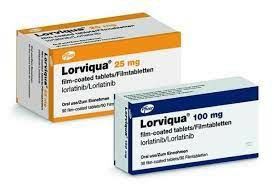
2. Side effects of long-term use of lorlatinib:
Patients may face some common side effects when taking lorlatinib long-term. The most common side effects include fatigue, headache, decreased appetite, nausea, etc. These side effects are usually mild and tolerated by most patients during the initial stages of treatment. However, long-term use may lead to the accumulation of these side effects and affect the patient's quality of life.
Although the side effects of lorlatinib are generally mild, there are some more serious adverse effects, especially with long-term use. These side effects include high blood lipids, psychiatric symptoms (such as anxiety, depression, etc.), and heart problems (such as tachycardia). Although these side effects are rare, the risks during long-term use cannot be ignored, so patients need to undergo regular physical examinations and related examinations during long-term treatment.
During long-term use of lorlatinib, doctors will pay close attention to the patient's side effects and timely adjust the dose or adopt symptomatic treatment according to the patient's health condition. For example, when a patient has a heart problem, he or she may need to undergo an electrocardiogram or adjust the dosage of medication under the guidance of a doctor. Through these management measures, patients can maintain efficacy while minimizing side effects.
Lorlatinib, as an effectiveALK inhibitor, has a long half-life and is suitable for long-term continuous use. However, during long-term treatment, patients may encounter problems such as drug resistance and side effects. Therefore, patients need to undergo regular examinations and adjust their treatment plan under the guidance of a doctor when taking lorlatinib for a long time. With reasonable management and individualized treatment, lorlatinib can help patients control the disease and prolong survival.
Keyword tags: Lorlatinib, Lorlatinib, long-term use, non-small cell lung cancer, ALK inhibitor, side effects, drug management, drug resistance
References:https://www.lorbrena.com/
[ 免责声明 ] 本页面内容来自公开渠道(如FDA官网、Drugs官网、原研药厂官网等),仅供持有医疗专业资质的人员用于医学药学研究参考,不构成任何治疗建议或药品推荐。所涉药品可能未在中国大陆获批上市,不适用于中国境内销售和使用。如需治疗,请咨询正规医疗机构。本站不提供药品销售或代购服务。


