
.jpeg)
Detailed compilation of indications, contraindications and precautions in the linezolid (Sivo) instructions
Linezolid (Linezolid), as an oxazolidinone antibacterial drug, is one of the most frequently used drugs in the treatment of drug-resistant bacterial infections in recent years. Its instructions are relatively complex, involving indications, contraindications and many important precautions. Clinically, it is not only used for routine refractory infections, but also plays a key role in hospital-acquired pneumonia and drug-resistant Gram-positive bacterial infections. Therefore, understanding the content of its instructions is very important for both doctors and patients. The following is a systematic arrangement of the indications, contraindications and precautions in the linezolid instructions, so as to have a clearer understanding of the medication logic and safety boundaries.
In terms of indications, linezolid is mainly used to treat serious infections caused by Gram-positive bacteria, especially in cases of multi-drug resistance. Common indications include nosocomial pneumonia and community-acquired pneumonia, mainly targeting drug-resistant Streptococcus pneumoniae and methicillin-resistant Staphylococcus aureus. In addition, it is also widely used for complicated skin and soft tissue infections, including cases combined with MRSA ; its use in the treatment of bacteremia or other severe invasive diseases caused by vancomycin-resistant enterococci (VRE) is also one of the highlights of its instructions. For stubborn infections such as osteomyelitis and artificial joint infection, there is also considerable room for clinical application, but some of them are used outside the instructions and require doctors to make judgments based on the situation. In general, linezolid focuses on "Gram-positive drug-resistant bacterial infections", and when used for other infections, the etiological evidence needs to be carefully considered.
In terms of contraindications, the instructions for linezolid clearly indicate that people who are allergic to the ingredients of this product are prohibited from using it. This is the primary contraindication common to all antibacterial drugs. In addition, linezolid, as a reversible monoamine oxidase inhibitor (MAOI), will affect the metabolism of 5-hydroxytryptamine, norepinephrine, catecholamines and other transmitters in the body, so it is currently being used or has been used within the past 14days. Irreversible MAOI Patients are prohibited from taking MAOIs, including selective and non-selective MAOIs (such as phenelzine, transbenzylamine, etc.). This taboo is to avoid serious reactions such as high-risk blood pressure crisis and 5-serotonin syndrome. The instructions also emphasize that certain antidepressants, sympathomimetic drugs, triptan migraine drugs other than MAOI need to be carefully monitored for risks even if they do not reach the level of contraindication. Although it is not absolutely contraindicated, extreme caution is required for patients with severe uncontrolled hypertension and hyperthyroidism crisis tendency.
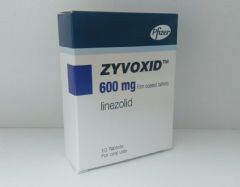
The precautions for linezolid are the largest part of the instructions and have the most direct impact on clinical practice. The most important of these include myelosuppression, lactic acidosis, peripheral neuropathy, and optic neuropathy. The instructions indicate that reversible thrombocytopenia may occur after continuous use of linezolid for more than 10 to 14 days, and if used for more than 28 days, the risk of anemia, neutropenia, and irreversible peripheral neuropathy increases significantly. Therefore, it is recommended to monitor blood routine weekly during treatment, especially in patients with underlying myelosuppression or chemotherapy drugs. The risk of lactic acidosis is low but cannot be ignored. If symptoms such as fatigue, abdominal pain, and deep breathing occur, you should seek medical attention immediately. Peripheral neuropathy and optic neuropathy are closely related to the length of treatment. If patients taking long-term medication experience blurred vision, color vision changes, or limb numbness, they need to be evaluated as soon as possible and discontinued if necessary.
At the same time, the linezolid instructions specifically warn of the potential risk of 5- serotonin syndrome, which is an abnormal increase in central neurotransmitters caused by its mild MAOI effect. With selective 5-serotonin reuptake inhibitors (SSRI), tricyclic antidepressants ( When combined with pan>TCA), pethidine, tramadol, fentanyl, etc., symptoms need to be closely monitored. If the patient develops fever, hyperreflexia, altered consciousness, or muscle tremor, the patient should immediately evaluate whether to adjust the plan. The instructions also emphasize the need to pay attention to foods containing tyramine (such as aged cheese, pickled foods, etc.) when controlling diet to reduce the risk of elevated blood pressure. For patients with renal insufficiency or liver damage, although the instructions do not explicitly require dose adjustment, reduced metabolic capacity may increase the risk of adverse reactions, so it is generally recommended to use with caution and close observation.
Overall, the instructions for linezolid reflect its characteristics of being “highly effective but requiring high-intensity monitoring”. As an important weapon in the treatment of Gram-positive drug-resistant bacteria, it is irreplaceable in the treatment of stubborn infections such as MRSA and VRE. However, it is also known for risks such as bone marrow suppression, neurotoxicity and drug interactions. Patients must strictly follow the doctor's instructions when using it, avoid using it in combination with corresponding contraindicated drugs, and maintain regular review. Doctors should not only consider the severity of the infection when formulating a course of treatment, but also follow the principle of "keeping the course of treatment as short as possible" to reduce the risk of adverse reactions. Only by fully understanding the contents of the instructions, standardizing monitoring and rational drug use can the efficacy of linezolid be truly exerted and safety ensured.
Keyword tags:
Linezolid, antibacterial drug, indications, contraindications, precautions, bone marrow suppression,5-Serotonin syndrome, drug interactions
Reference materials:https://www.fda.gov/drugs/drug-safety-and-availability
[ 免责声明 ] 本页面内容来自公开渠道(如FDA官网、Drugs官网、原研药厂官网等),仅供持有医疗专业资质的人员用于医学药学研究参考,不构成任何治疗建议或药品推荐。所涉药品可能未在中国大陆获批上市,不适用于中国境内销售和使用。如需治疗,请咨询正规医疗机构。本站不提供药品销售或代购服务。


