
.jpeg)
How long does it usually take to achieve the desired effect of cycloserine in conventional treatment?
Cycloserine (Cycloserine) is usually used to treat drug-resistant tuberculosis (especially multidrug-resistant MDR-TB). Its onset of effect and course of treatment are not as short-term as ordinary antibiotics, but require a longer period of combined treatment. In routine use, cycloserine is often used as a second-line anti-tuberculosis drug in multi-drug regimens. Its mechanism of action is to inhibit the cell wall synthesis of Mycobacterium tuberculosis. Therefore, it needs to gradually exert its effect along with the bacterial reproduction cycle. Generally, a stable trend of the condition can be observed after a few weeks, but significant improvement does not occur immediately.
In clinical management, cycloserine is usually used for more than 6 months, with many MDR-TB Or more complicated cases may even require continuous medication for 18 to 24 months. This is because drug-resistant strains grow slowly and are difficult to treat. Long-term combined medication is required to ensure the killing of hidden bacteria and reduce the risk of recurrence. In the early stages of treatment (first 1 to 2 months), doctors mostly rely on imaging, sputum negative conversion, and patient tolerance to judge whether the expected early efficacy has been achieved. The overall efficacy is generally more significant in the middle and later stages of the treatment.
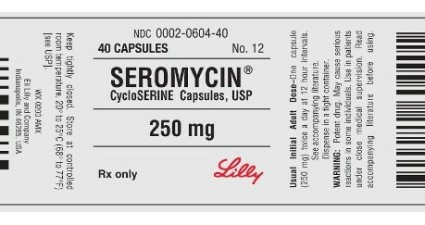
Whether cycloserine can achieve the desired effect is closely related to factors such as whether the patient insists on taking the medication according to the course of treatment, whether the patient strictly abides by the combined medication regimen, and whether there are adverse reactions. This drug may cause neuropsychiatric side effects (such as anxiety, irritability, headache, abnormal sleep). If the dose is not adjusted in time or combined with vitamin B6 (pyridoxine) for protection, it may affect the continuity of the treatment course, thereby prolonging the time to achieve therapeutic effects. Therefore, regular follow-up, monitoring of blood drug concentrations and adjustment of the regimen during treatment are crucial.
Generally speaking, cycloserine is not a short-term effective drug, and its expected efficacy usually needs to be gradually achieved in strict and standardized anti-tuberculosis combination therapy. Most patients begin to experience symptom improvement after several weeks of regular treatment, and it usually takes anywhere from a few months to a year or two to reach treatment goals. Patients should follow the doctor's instructions to complete the entire course of treatment and avoid interruption or unauthorized discontinuation of medication to avoid a decrease in efficacy or the development of further drug resistance.
Keyword tags:
Cycloserine, anti-tuberculosis drug, course of treatment,MDR-TB, expected efficacy, treatment duration, side effect management, vitaminsB6
Reference materials:https://www.who.int/publications/i/item/9789241550529
[ 免责声明 ] 本页面内容来自公开渠道(如FDA官网、Drugs官网、原研药厂官网等),仅供持有医疗专业资质的人员用于医学药学研究参考,不构成任何治疗建议或药品推荐。所涉药品可能未在中国大陆获批上市,不适用于中国境内销售和使用。如需治疗,请咨询正规医疗机构。本站不提供药品销售或代购服务。


