
.jpeg)
Telisotuzumab-EMRELIS contraindications and risks and limitations that patients should be aware of before use
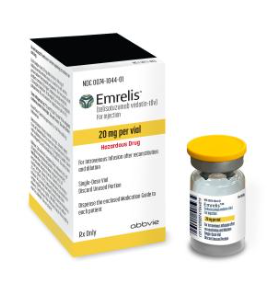
Telisotuzumab‑clzb‑EMRELIS is an antibody-drug conjugate (ADC) that targets the MET (hepatocyte growth factor receptor‑1) pathway for the treatment of MET Patients with overexpressed or amplified non-small cell lung cancer (NSCLC). Its mechanism is to specifically bind to the MET protein on the surface of tumor cells and release the cytotoxic load into the tumor in a targeted manner, thus improving the tumor killing effect while minimizing damage to normal cells. Although EMRELIS has shown clinical benefit in some MET positive patients, its contraindications, potential risks and limitations in use require patients, doctors and caregivers to pay close attention to drug safety and strictly evaluate indications and potential adverse events.
First of all, the main contraindication of terituzumab It is prohibited from use by those who are allergic to the drug ingredients or excipients. Specific monoclonal antibody drugs such as EMRELIS are structurally complex macromolecular proteins. They are different from traditional small molecule chemotherapy drugs. They are not recommended for use in the event of severe allergic reactions, anaphylactic shock, or a history of related severe allergies to the antibody itself, the linker or the payload part. In addition, patients with known allergies to any excipients contained in the drug are also contraindicated, and such situations need to be confirmed by detailed history and sensitivity testing before treatment.
Secondly, patients need to assess the functional status of important organs before treatment with terituzumab. Since antibody-conjugated drugs may still cause toxic effects on high-metabolizing organs such as the heart, liver, and kidneys after entering tumor cells and releasing cytotoxic loads, comprehensive liver and kidney function, cardiac function, and blood routine evaluation should be performed before treatment. Especially for patients with existing hepatic insufficiency, severe renal impairment, or existing heart failure/cardiomyopathy, the benefits and risks of treatment should be carefully weighed. In some cases, alternative options need to be considered after discussion with experts rather than direct EMRELIS treatment. In addition, pregnant women or women planning pregnancy should generally avoid the use of such antibody-conjugates because animal studies suggest potential risks to fetal development.
Another important limitation is the assessment of comorbidities and previous treatment history. EMRELIS As part of the treatment with targeted drugs, it is usually used in combination with other chemotherapy or immunotherapy regimens. Patients need to evaluate whether they have recently used immune checkpoint inhibitors, cytotoxic chemotherapy or other targeted drugs. Particularly in patients with compromised immune systems, recent myelosuppressive chemotherapy, severe infections, or active autoimmune disease, cell counts and infection risk need to be monitored more closely. If the patient has an uncontrolled severe infection, anti-tumor treatment should be postponed and the initiation of EMRELIS should be considered after the infection is controlled to reduce infection-related complications.
In addition, pre-medication molecular testing is a prerequisite for the use of EMRELIS . Due to the specific mechanism of action of this drug targeting the MET pathway, patients need to confirm the positivity of molecular markers such as MET overexpression or gene amplification through tumor tissue or liquid biopsy before they can be included in the treatment plan. Blind use without molecular screening will not only bring no efficacy, but may also increase the risk of toxicity. Therefore, doctors should organize a comprehensive molecular diagnostic evaluation before treatment, and treatment can be safely implemented only after the target is confirmed to be positive.
During use, patients need to regularly monitor relevant indicators to identify potential adverse events in a timely manner. Since ADC drugs may cause bone marrow suppression, liver enzyme elevation, peripheral neurotoxicity and other side effects, clinical monitoring needs to cover blood routine, liver and kidney function, neurological symptoms and changes in lesion size. Patients should maintain close communication with the medical team before, during and after treatment, and seek medical attention immediately if serious adverse reactions (such as infection, severe rash, obvious neurological symptoms) occur.
In general, the key contraindications and pre-medication precautions for telisotuzumab (telisotuzumab)-EMRELIS include: strict confirmation of allergy history, systematic assessment of important organ function, assessment of concomitant diseases and the impact of previous treatments, confirmation of positive molecular targets, and standardized follow-up monitoring. As a precisely targeted immunotherapy drug, its risk management requirements are meticulous and strict. Adequate preoperative assessment and dynamic monitoring can not only improve the safety of treatment, but also ensure its maximum efficacy.
Keyword tags:
Territuzumab, ADCDrug, contraindications, risks of use, pre-medication evaluation, molecular testing, adverse reaction monitoring
Reference materials:https://www.cancer.gov/publications/dictionaries/cancer-drug/
[ 免责声明 ] 本页面内容来自公开渠道(如FDA官网、Drugs官网、原研药厂官网等),仅供持有医疗专业资质的人员用于医学药学研究参考,不构成任何治疗建议或药品推荐。所涉药品可能未在中国大陆获批上市,不适用于中国境内销售和使用。如需治疗,请咨询正规医疗机构。本站不提供药品销售或代购服务。


