
.jpeg)
Analysis of Tarlatamab-Imdelltra side effects, medication safety, and long-term use precautions
Tarlatamab (also known as Imdelltra) is a bispecific T cell-modulating antibody that works by simultaneously targeting tumor-associated antigens such as DLL3 and CD3 on pan>T cells "guides" the patient's own T cells to the surface of tumor cells, thereby activating immune cells to mediate tumor killing. Since this mechanism works by stimulating the patient's immune system, the side effects are different from traditional chemotherapy or simple targeted drugs. Its safety characteristics also need to be understood in conjunction with the characteristics of immunotherapy drugs.
In clinical trials and early use, the most common side effects of talatumumab include cytokine release syndrome (CRS), fever, chills, fatigue, nausea, hypotension and other immune activation-related reactions. Cytokine release syndrome is caused by the massive activation of T cells in a short period of time and the release of inflammatory cytokines (such as IL‑6, IFN-γ, etc.), mild cases may include fever, fatigue, myalgia, and severe cases may cause hemodynamic instability, dyspnea, etc. This type of reaction usually occurs during the first dose or early administration, so close monitoring should be done in the hospital during the initial infusion or early administration, and symptomatic treatment such as antipyretics, intravenous fluid rehydration, or glucocorticoids should be used if necessary.
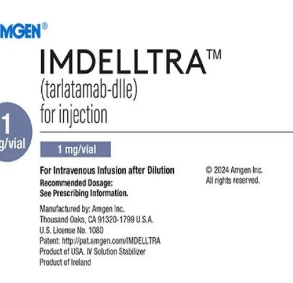
In addition to cytokine release syndrome, immune-related adverse events (irAEs) are also risks that require special attention during talatumumab treatment. Such side effects include skin reactions (such as rash, itching), gastrointestinal symptoms (diarrhea, nausea), liver function abnormalities, and endocrine disorders (such as thyroid dysfunction). Immune-related adverse events are due to immune activation not only targeting tumors but may also affect normal tissues. Liver function, renal function, thyroid function and routine blood tests need to be monitored regularly during use. Once moderate or severe irAE occurs, treatment should be promptly evaluated whether to suspend or adjust treatment, and immunosuppressants such as glucocorticoids should be used for intervention according to guidelines to avoid serious complications.
The safety of long-term use of talatumumab also needs to be fully evaluated. Similar to other immunotherapeutic agents, prolonged immune activation may induce chronic inflammation, chronic fatigue, and cytokine-related low-grade inflammatory states. Some patients may have long-term endocrine function changes and require long-term endocrine monitoring and intervention. In addition, because the immune system is activated for a long time, patients may also be at increased risk of infection, especially those with chronic diseases or weak immune function. Therefore, during long-term follow-up, doctors usually regularly assess infection markers, immune cell function, and organ system status, and adjust medication frequency or dosage based on individual risk.
Generally speaking, the side effects of talatumumab (Imdelltra) are mainly focused on immune activation-related reactions and immune-related adverse events, and its safety characteristics are significantly different from traditional anti-tumor drugs. Medication safety management requires close monitoring of vital signs, symptoms, and changes in laboratory indicators in the early stages of medication, and regular assessment of organ function, endocrine status, and infection risk during long-term treatment. The medical team and patients should maintain close communication and deal with any abnormal reactions promptly to maximize efficacy and reduce risks. For possible long-term side effects, such as chronic inflammation or endocrine disorders, individualized monitoring and intervention plans need to be developed under the guidance of a professional team to ensure that long-term treatment is safer and more effective.
Keyword tags:
Talatumumab, bispecific antibody, side effects, drug safety, cytokine release syndrome, immune-related adverse events, long-term precautions
Reference materials:https://en.wikipedia.org/wiki/Tarlatamab
[ 免责声明 ] 本页面内容来自公开渠道(如FDA官网、Drugs官网、原研药厂官网等),仅供持有医疗专业资质的人员用于医学药学研究参考,不构成任何治疗建议或药品推荐。所涉药品可能未在中国大陆获批上市,不适用于中国境内销售和使用。如需治疗,请咨询正规医疗机构。本站不提供药品销售或代购服务。


