
.jpeg)
Analysis of whether voclosporin is toxic and the safety and potential risks of long-term use
Voclosporin is a new type of immunosuppressant, mainly used to treat systemic lupus erythematosus (SLE) combined with active lupus nephritis. As a derivative of cyclosporine drugs, its mechanism of action is similar to that of traditional cyclosporine. It inhibits calcineurin (calcineurin) activity and reduces T cell activation, thereby alleviating immune-mediated kidney damage. Although cyclosporine is effective in controlling disease activity, its immunosuppressive properties mean that the drug is somewhat toxic, particularly with potential effects on the kidneys and cardiovascular system.
In clinical studies, the main adverse reactions of cyclosporine include mild to moderate fluctuations in renal function indicators, hypertension, headache, gastrointestinal discomfort and mild infection. These side effects are mostly related to dose and blood drug concentration. Patients need to regularly monitor blood pressure, serum creatinine, glomerular filtration rate (GFR), and blood drug concentration during the initial period of medication, so that the dose can be adjusted in a timely manner to reduce the risk of nephrotoxicity and systemic side effects. Compared with traditional cyclosporine, cyclosporin has been optimized in terms of drug metabolism and blood concentration stability, and its toxic and side effects are generally controllable, but it still needs to be used with caution for long-term use.
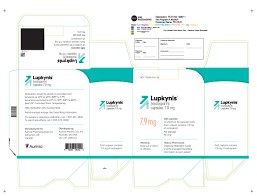
The safety issues of long-term use of cyclosporine are mainly reflected in chronic nephrotoxicity, infection risk and potential hypertension. Chronic nephrotoxicity may lead to a decrease in glomerular filtration rate, and long-term elevation of blood pressure may increase the risk of cardiovascular events. Clinically, in order to reduce long-term risks, doctors usually adopt the "starting dose - maintenance dose" strategy and use it in combination with glucocorticoids or other immunosuppressants to reduce the dose of cyclosporine. During long-term treatment, patients need to regularly review kidney function, blood pressure, blood and liver function, and pay attention to any signs of infection.
Overall, cyclosporine is not a non-toxic drug, but its toxicity can be effectively managed under strict monitoring, and the safety of long-term use is relatively controllable. Appropriate dosage adjustments, combination treatment strategies, and regular monitoring are key to reducing potential risks. For patients with systemic lupus erythematosus and active nephritis, cyclosporine provides a safer and more efficient immunosuppressive option, but individualized medication still needs to be carried out under the guidance of a professional doctor.
Keyword tags:
Ciclosporin, immunosuppressant, drug toxicity, long-term safety, nephrotoxicity, side effects, risk monitoring
Reference materials:https://www.ncbi.nlm.nih.gov/pmc/articles/PMC7453923/
[ 免责声明 ] 本页面内容来自公开渠道(如FDA官网、Drugs官网、原研药厂官网等),仅供持有医疗专业资质的人员用于医学药学研究参考,不构成任何治疗建议或药品推荐。所涉药品可能未在中国大陆获批上市,不适用于中国境内销售和使用。如需治疗,请咨询正规医疗机构。本站不提供药品销售或代购服务。


