
.jpeg)
Comparison of the efficacy of Pretomanid and other anti-tuberculosis drugs and the selection of treatment options for multi-drug-resistant tuberculosis
Pretomanid (Pretomanid), as a new generation of anti-tuberculosis drugs, is mainly used for the treatment of multi-drug-resistant tuberculosis (MDR-TB) and extensively drug-resistant tuberculosis (XDR-TB). Its clinical value is mainly reflected in its combined use with other anti-tuberculosis drugs and its efficacy in refractory tuberculosis. Putomanid belongs to the nitroimidazole class of antibacterial drugs. It has a unique mechanism of action by inhibiting the cell wall synthesis and respiratory chain function of Mycobacterium tuberculosis, and can effectively target isoniazid-resistant and rifampicin-resistant strains. In real-life clinical practice, putomanib is usually used in combination with rifabutin (Bedaquiline) and linezolid (Linezolid). This combination regimen has been recommended by multiple international guidelines as the first-line regimen for multi-drug-resistant tuberculosis, and its clinical trial data shows that the overall cure rate is significantly better than traditional second-line drug regimens.
Compared with traditional multi-drug-resistant tuberculosis treatment regimens, the addition of putomanid can significantly shorten the course of treatment, improve efficacy and reduce the toxic and side effects of some drugs. Traditional MDR-TB treatment often requires 18–24 months. There are many types of drugs and serious side effects, including liver function damage, ototoxicity, neuropathy, etc. By optimizing the drug combination, the putomanid combination regimen shortens the treatment course to approximately 6–9 months, while maintaining a high recovery rate and significantly improving the patient's compliance and quality of life. For example, the Nix-TB study shows that the Bedaquiline + Pretomanid + Linezolid (BPaL) regimen achieves a cure rate of about 90% in patients with extremely drug-resistant tuberculosis, which is significantly better than traditional treatment.
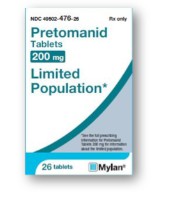
The selection of treatment options for drug-resistant tuberculosis not only depends on drug efficacy, but also needs to consider individualized risk assessment and management of toxic and side effects. The advantage of putomanid is its relatively mild side effect spectrum, although liver function abnormalities, peripheral neuropathy, and gastrointestinal discomfort may still occur. Clinicians usually monitor liver and kidney function, hematology and neurological symptoms regularly when using putomanid combination regimen, and make dosage adjustments based on the patient's weight, disease severity and drug resistance spectrum. In addition, for patients who cannot tolerate linezolid or bedaquiline, doctors may adjust the combination regimen or choose alternative drugs, but putomanid remains the core component.
In the global anti-tuberculosis treatment trend, the introduction of putomanib not only optimizes the therapeutic effect of MDR/XDR-TB but also provides new ideas for drug resistance management. Through early drug resistance monitoring, standardized medication and combined treatment, the spread of drug-resistant strains can be effectively controlled clinically. In the future, as more clinical data accumulates, putomab may further expand its application scope, including combination with new anti-tuberculosis drugs, use in children and special populations, etc., while also providing safer, more efficient, and controllable treatment options for patients with drug-resistant tuberculosis. Overall, the introduction of putomab in the treatment of multidrug-resistant tuberculosis marks a new advancement in the efficacy of anti-tuberculosis drugs and is an important component of current and future MDR/XDR-TB management.
Keyword tags:
Pretomanid, anti-tuberculosis drug, comparative efficacy, MDR-TB, XDR-TB, treatment plan, combined medication, shortened treatment course
Reference materials:https://www.ncbi.nlm.nih.gov/pmc/articles/PMC7577687/
[ 免责声明 ] 本页面内容来自公开渠道(如FDA官网、Drugs官网、原研药厂官网等),仅供持有医疗专业资质的人员用于医学药学研究参考,不构成任何治疗建议或药品推荐。所涉药品可能未在中国大陆获批上市,不适用于中国境内销售和使用。如需治疗,请咨询正规医疗机构。本站不提供药品销售或代购服务。


