
.jpeg)
Which one is more effective, tilorisen (Harcos) or methylphenidate? Comparison of doctors’ clinical recommendations
Pitolisant (Pitolisant) and methylphenidate (Methylphenidate) are both centrally stimulating or modulating drugs commonly used in the neuropsychiatric field, but they have obvious differences in their mechanisms of action, indications and clinical applications. In actual clinical practice, the two are usually used for different types of patients. The advantages and disadvantages of choosing a drug depend more on the specific condition and individual needs of the patient, rather than simply comparing the efficacy of the drug. Tilolixin is a selective H3 receptor antagonist / inverse agonist. It blocks central H3 receptors and increases histamine (Histamine) levels, thereby regulating arousal state and cognitive function. This mechanism of action gives it a unique advantage in the treatment of narcolepsy (narcolepsy), while improving daytime sleepiness and decreased alertness.
In contrast, methylphenidate mainly acts to inhibit the reuptake of dopamine and norepinephrine. It is a traditional central nervous system stimulant and is commonly used clinically for attention deficit hyperactivity disorder (ADHD), narcolepsy and some cognitive disorders. Methylphenidate has a rapid onset of action and can significantly improve concentration and alertness, but long-term use may lead to tolerance, dependence, and risks of cardiovascular adverse reactions. Doctors usually consider the patient's underlying diseases, cardiovascular health status and sensitivity to central stimulants in clinical recommendations to decide whether to use methylphenidate or choose tilolixen as a safer alternative.
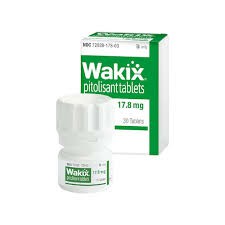
From a comparative efficacy perspective, tilorisen has shown good results in controlling daytime sleepiness in narcolepsy, and has the advantage of improving cognitive function and reducing sleep attack-related accidents. At the same time, the side effects are relatively mild, such as mild insomnia, headache or mild gastrointestinal discomfort. Methylphenidate responds quickly in improving attention and alertness, but improvement of daytime sleepiness is not its core advantage, and it should be used with caution especially in elderly patients or patients with cardiovascular disease. Therefore, doctors prefer tilolixane as the first choice for patients with narcolepsy, while methylphenidate may be used for ADHD or special conditions where the need for alertness is very urgent.
Taken together, the choice of tilorisen and methylphenidate should be based on the patient's individual circumstances. Tilolixen is suitable for patients who need long-term improvement of daytime sleepiness and cognitive function, and is highly safe and less likely to cause dependence; methylphenidate is suitable for patients with obvious attention deficit and who need to quickly improve alertness in the short term, but it is necessary to monitor heart rate, blood pressure and potential dependence risks when using it. In practical applications, clinicians often conduct comprehensive evaluations based on the drug's onset of action, side effect spectrum, patient age, comorbid diseases, and lifestyle factors, rather than simply comparing the efficacy of the drug. For some patients, doctors may even use combined or alternating regimens to optimize individualized treatment effects under strict monitoring.
Keyword tags:
Tilolixen, methylphenidate, effect comparison, narcolepsy, ADHD, mechanism of action, clinical recommendations, side effects reference: https://www.ncbi.nlm.nih.gov/pmc/articles/PMC6827016/
[ 免责声明 ] 本页面内容来自公开渠道(如FDA官网、Drugs官网、原研药厂官网等),仅供持有医疗专业资质的人员用于医学药学研究参考,不构成任何治疗建议或药品推荐。所涉药品可能未在中国大陆获批上市,不适用于中国境内销售和使用。如需治疗,请咨询正规医疗机构。本站不提供药品销售或代购服务。


